

In an era where digital visibility dictates market share, the selection of an online presence service is no longer a mere administrative task but a critical strategic decision. According to recent industry data, businesses that neglect a cohesive digital strategy often see a 30% reduction in potential lead generation within the first year. This statistic underscores the urgency of choosing a partner who understands both the aesthetic and technical dimensions of modern architecture and development. For firms like Bercy Fadel, the integration of design integrity with operational rigor is paramount, a principle that must also guide your selection of digital services.
1. Ignoring Brand Alignment and Design Philosophy
The most frequent error clients make is selecting a digital agency based solely on portfolio aesthetics without verifying their understanding of the client's core values. Brand alignment is the process of ensuring that digital touchpoints reflect the physical and philosophical identity of the business. In architecture, this means the website must convey the same materiality, light, and spatial quality as the built environment.
Consider the work of Bold Ruler, a residential project that uses massive limestone walls and cantilevered glass to create a dialogue with the Texas Hill Country. A generic web template would fail to capture this nuance. A specialized service provider must understand how to translate such tactile experiences into digital formats. If your firm focuses on sustainable, earth-sheltered dwellings like Edgeland House, your online presence must prioritize sustainability metrics and environmental storytelling.
To avoid this mistake, audit potential service providers for their ability to articulate your unique value proposition. Do they ask about your material sourcing? Do they understand the difference between a commercial cinema project like Skylight Cinema and a private residence? If their answers are generic, they lack the depth required to represent your brand accurately.
2. Neglecting Technical Infrastructure and Performance
Many firms invest heavily in design but ignore the underlying technical architecture. Technical infrastructure refers to the backend systems, hosting environments, and code optimization that ensure a website loads quickly and functions reliably. A beautiful site that takes five seconds to load will lose 40% of its visitors before they even see the content.
For high-end architectural firms, the technical demand is higher. High-resolution imagery, 3D walkthroughs, and interactive floor plans require robust CDN (Content Delivery Network) solutions and optimized media handling. According to Google’s Core Web Vitals report, sites with poor loading performance suffer significantly in search rankings. This is not just a user experience issue; it is a visibility issue.
When evaluating services, ask about their approach to performance optimization. Do they use lazy loading for heavy media? Do they ensure cross-browser compatibility? Firms like Bercy Fadel operate with a vertically integrated approach, meaning design and construction are managed under one roof. Your digital partner should offer similar integration, ensuring that the technical build supports the creative vision without compromise.
3. Overlooking Content Strategy and Narrative
A common pitfall is treating content as an afterthought. Clients often provide text and images to be "placed" on a page, rather than developing a narrative strategy. Content strategy is the planning, creation, and management of content to achieve specific business goals. In architecture, the story behind a project is as important as the building itself.
Take the Cascading Creek project, which integrates water, energy, and form to live in reciprocity with the Texas landscape. A superficial website might just show photos. A strategic online presence will detail the photovoltaic systems, the limestone sourcing, and the ecological impact. This depth establishes authority and attracts high-value clients who value sustainability.
To avoid this, demand a content roadmap from your service provider. They should propose a structure that highlights your firm’s awards, such as the AD100 Honoree status or the International Architecture & Design Awards recognition. These accolades are not just badges; they are trust signals that must be woven into the site’s narrative architecture.
4. Disregarding Mobile-First and Accessibility Standards
With over 60% of web traffic originating from mobile devices, designing for desktop first is a critical error. Mobile-first design is an approach where the website is designed for mobile devices first, then scaled up to larger screens. This ensures that the user experience is optimized for the most common access point.
Furthermore, accessibility is not just a legal requirement in many jurisdictions; it is a moral and professional imperative. Accessibility refers to the practice of making websites usable by people with a wide range of disabilities. For architectural firms, this means ensuring that images have descriptive alt text for screen readers and that color contrasts meet WCAG (Web Content Accessibility Guidelines) standards.
When reviewing proposals, insist on mobile responsiveness testing and accessibility audits. A service provider who dismisses these as "nice-to-haves" is not equipped to handle the complexities of modern digital representation. Your portfolio, including projects like Falling Leaves, must be accessible and viewable on any device, anywhere in the world.
5. Choosing Cost Over Long-Term Value
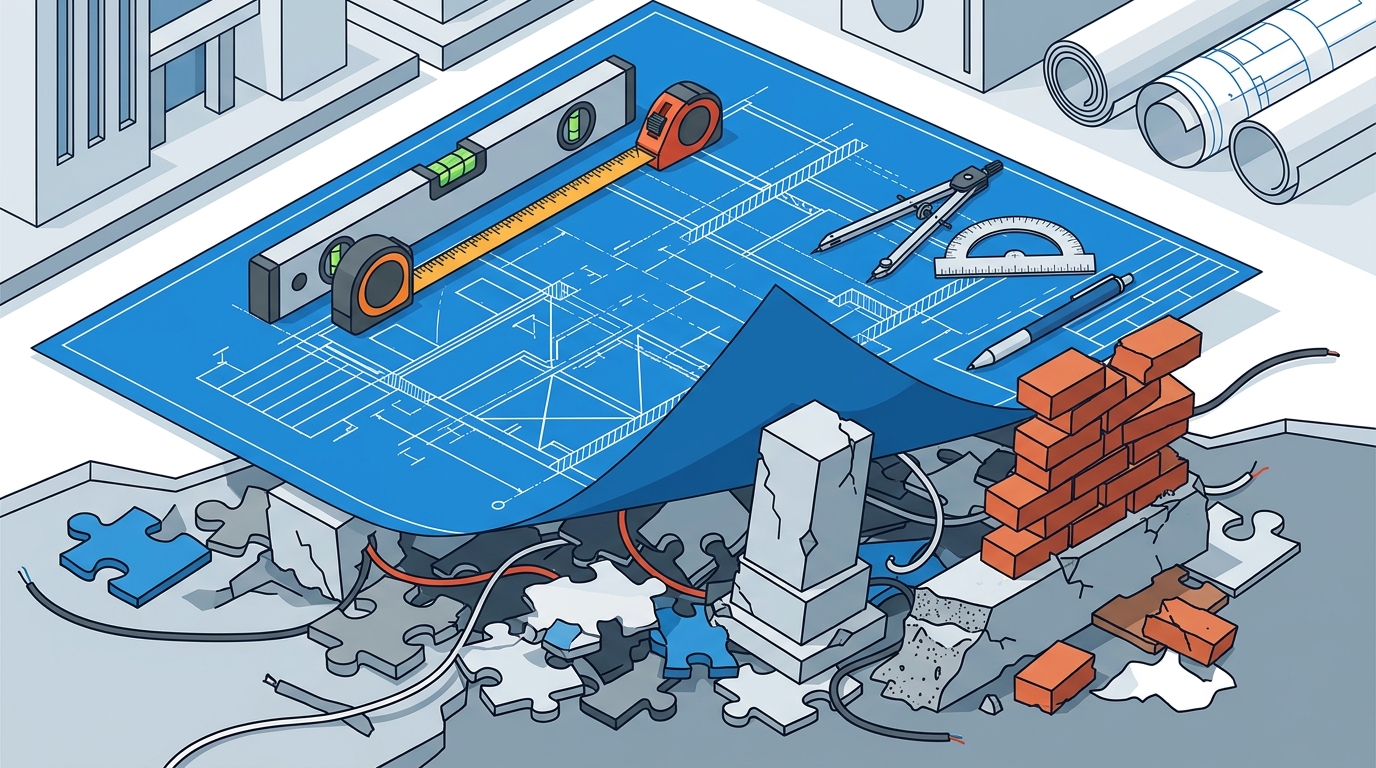
The final major mistake is prioritizing low cost over long-term value. Cheap web services often result in template-based designs that are difficult to update, insecure, and non-scalable. Long-term value in digital services is measured by the ease of maintenance, scalability, and return on investment over time.
Consider the lifecycle of a website. It is not a one-time purchase but a living asset. You need a partner who can evolve with your firm. As Bercy Fadel expands its portfolio from residential to commercial and master planning, your digital presence must adapt to showcase this breadth. A rigid, low-cost solution will become a liability.
Invest in a service provider who offers ongoing support, analytics, and strategic guidance. They should help you understand your audience, track engagement, and refine your message. This partnership is akin to the relationship between an architect and a client, built on trust, expertise, and a shared vision for the future.
Key Takeaways
- Brand Alignment is Critical: Ensure your digital partner understands your specific architectural philosophy, whether it is sustainable earth-sheltered design or luxury residential.
- Technical Performance Matters: Prioritize fast loading speeds and robust infrastructure to retain visitors and improve search rankings.
- Narrative Drives Engagement: Use your website to tell the story behind projects like Bold Ruler, highlighting materials and ecological integration.
- Mobile-First is Non-Negotiable: Design for mobile devices first to capture the majority of your audience.
- Accessibility is Essential: Make your digital presence usable for everyone, including those with disabilities.
- Value Over Cost: Invest in a scalable, long-term partnership rather than a cheap, one-time solution.
- Awards Build Trust: Highlight recognitions like the AD100 Honoree status to establish authority.
Frequently Asked Questions
Why is brand alignment important for an architectural firm's website?
Brand alignment ensures that your digital presence accurately reflects your physical work and values. For firms specializing in unique styles, such as the limestone-integrated Cascading Creek, a generic website fails to communicate the depth of your expertise.
How does technical infrastructure impact search engine rankings?
Search engines like Google prioritize sites that load quickly and function smoothly. Poor technical infrastructure leads to high bounce rates, which signals to search engines that your content is not valuable, resulting in lower rankings.
What is the difference between a template website and a custom design?
A template website uses pre-made designs that are difficult to customize and often lack unique branding. A custom design, like the one required for Skylight Cinema, is built from scratch to meet specific functional and aesthetic needs.
Why is mobile-first design necessary for architecture firms?
Most potential clients browse architectural portfolios on their phones. A mobile-first design ensures that high-resolution images and project details are easily viewable and navigable on smaller screens.
How often should an architectural website be updated?
We recommend regular updates to reflect new projects, awards, and industry insights. A dynamic website keeps your audience engaged and signals to search engines that your firm is active and relevant.
What role does content strategy play in digital success?
Content strategy guides the creation of meaningful narratives about your projects. It helps you explain complex design decisions, such as the sustainable features of Edgeland House, to a broader audience.
How can I measure the ROI of my online presence service?
Track metrics such as lead generation, website traffic, time on page, and conversion rates. A good service provider will offer regular analytics reports to help you understand the impact of your digital investment.
Start Your Digital Transformation
Selecting the right online presence service is a decision that will define your firm's digital legacy for years to come. By avoiding these common mistakes and prioritizing alignment, performance, and value, you can build a digital presence that truly represents your architectural excellence. If you are ready to elevate your firm's online identity, contact Bercy Fadel today to discuss how our vertically integrated approach can support your vision.