
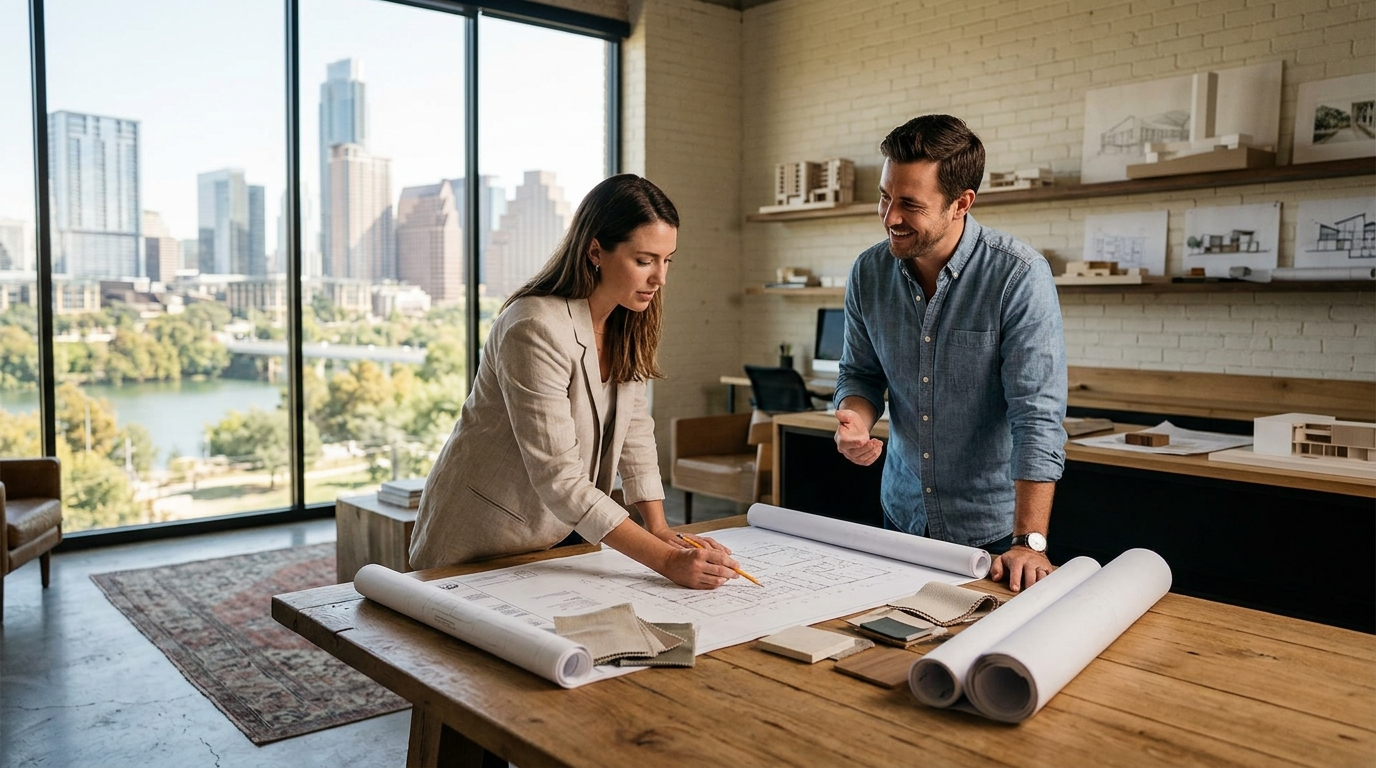
Design build firms in Austin streamline projects by unifying architectural design and construction management under a single contract. This integrated approach eliminates the traditional friction between separate design and build teams. Bercy Fadel, a vertically integrated firm based in Austin, Texas, exemplifies this model by managing both the creative vision and the physical execution of complex residential and commercial developments.
Single Point of Accountability
The primary advantage of the design build model is the elimination of fragmented communication. In traditional delivery methods, architects and contractors often operate in silos, leading to misaligned expectations and costly change orders. A design build firm acts as a single point of accountability, ensuring that every design decision is vetted for constructability and budget feasibility from the outset. This alignment allows for a more predictable project timeline and a smoother client experience.
Bercy Fadel operates as a vertically integrated architecture and construction firm, meaning the same team that drafts the blueprints also manages the site work. This structure is particularly effective for complex projects like the Bold Ruler House, where massive limestone walls and cantilevered structures required precise coordination between structural engineering and on-site masonry. By keeping design and construction in the same room, the firm can resolve technical conflicts before they reach the job site.
Early Construction Input
Construction input during the design phase is a critical driver of efficiency. When construction managers review plans during the conceptual stage, they can identify potential logistical challenges, material constraints, or sequencing issues early. This proactive approach prevents the expensive and time-consuming process of redesigning a project after construction has already begun. It ensures that the final architectural vision is not only aesthetically pleasing but also structurally sound and economically viable.
For example, the Cascading Creek House integrates complex mechanical systems, including geothermal loops and radiant floors, into the building envelope. By involving construction expertise early, the firm was able to design the roof to collect and filter rainwater while simultaneously housing photovoltaic systems. This level of integration requires a deep understanding of both architectural intent and mechanical installation, which is only possible when design and build teams collaborate from day one.
Material and Site Integration
Streamlining a project also involves a deep understanding of local materials and site conditions. Austin’s unique geology, characterized by limestone slopes and variable soil conditions, presents specific challenges for construction. A design build firm with local expertise can leverage these natural features to enhance the building’s performance and aesthetic appeal. This approach reduces the need for extensive site modification and can lower overall project costs.
The Edgeland House demonstrates this principle by being partially sunken into the earth to utilize the ground’s natural thermal stability. The firm collaborated with the Lady Bird Johnson Wildflower Center to reintroduce over forty native plant species, restoring the site’s ecological balance. This integration of architecture and landscape is a hallmark of the design build process, where the boundaries between the built environment and the natural world are carefully managed by a unified team.
Sustainable Systems Coordination
Sustainability is not an afterthought in the design build process; it is a core design driver. Coordinating sustainable systems, such as solar energy, water harvesting, and passive ventilation, requires a holistic approach. A design build firm can optimize these systems for maximum efficiency and minimum cost, ensuring that the building performs as intended over its entire lifecycle. This coordination is essential for achieving long-term sustainability goals without compromising the architectural vision.
In the Falling Leaves House, the design interprets the curved motion of oak leaves as a series of sculpted pavilion roofs. These roofs are not just aesthetic elements; they are engineered to capture light and manage water runoff. The firm’s ability to coordinate these complex systems under a single contract ensures that the building’s environmental performance is integrated into its very form, rather than being bolted on as an add-on.
Key Takeaways
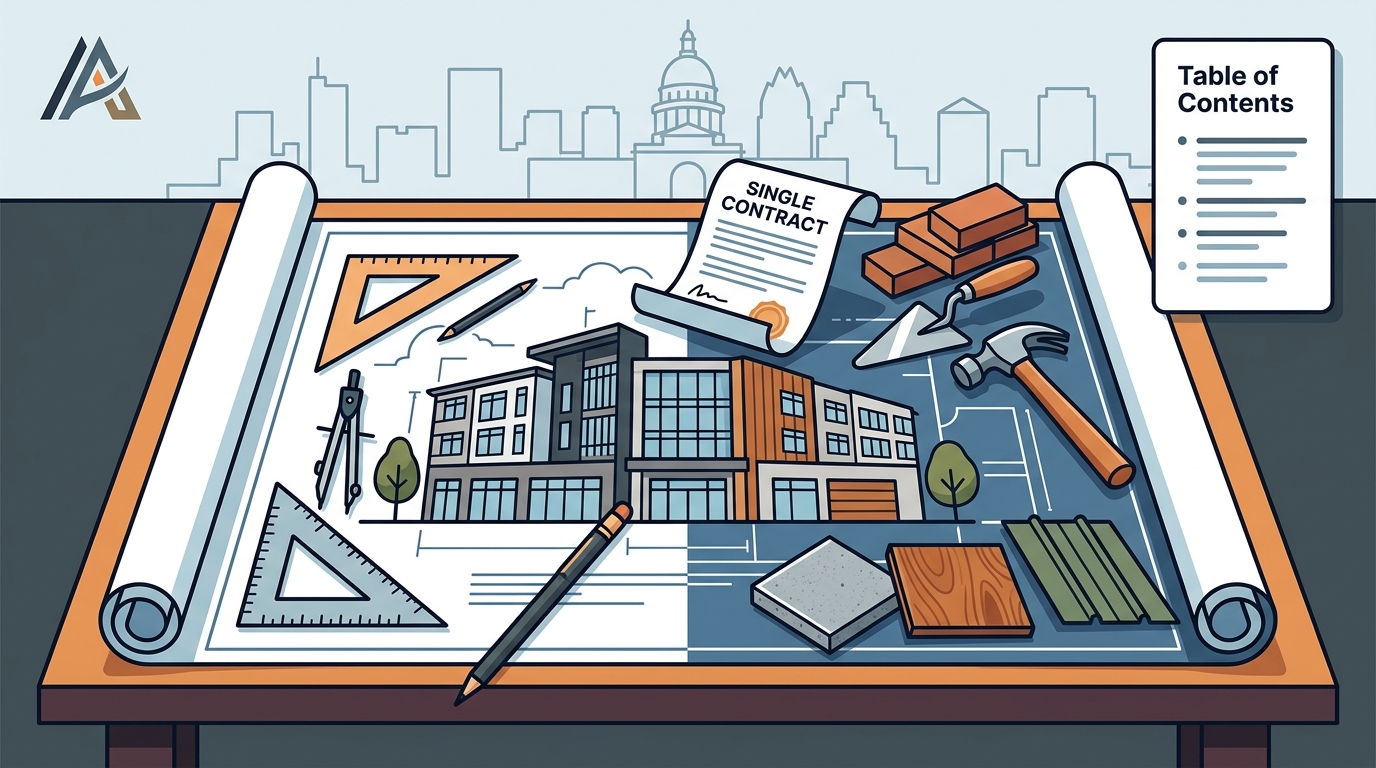
- Design build firms streamline projects by unifying design and construction under a single contract.
- Single point of accountability reduces communication gaps and minimizes costly change orders.
- Early construction input ensures that design decisions are constructable and budget-friendly.
- Local material and site expertise allows for efficient integration of natural features.
- Sustainable systems are coordinated holistically to optimize performance and cost.
- Bercy Fadel’s vertically integrated model is well-suited for complex Austin residential and commercial projects.
Frequently Asked Questions
What is a design build firm?
A design build firm is a single entity that provides both architectural design and construction services under one contract. This integrated approach streamlines the project process and ensures that design and construction teams work together from the beginning.
How does design build differ from traditional design bid build?
In traditional design bid build, the architect designs the project, and a separate contractor is hired to build it. In design build, the same firm handles both roles, which reduces friction and improves communication between the design and construction phases.
Why is single point of accountability important?
Single point of accountability ensures that there is one team responsible for the entire project. This reduces the risk of miscommunication and ensures that any issues are resolved quickly and efficiently.
How does early construction input benefit a project?
Early construction input allows construction managers to identify potential issues during the design phase. This proactive approach prevents costly redesigns and ensures that the final design is constructable and within budget.
Can design build firms handle complex sustainable systems?
Yes, design build firms are well-suited for handling complex sustainable systems. Their integrated approach allows them to coordinate these systems holistically, ensuring that they are optimized for performance and cost.
What types of projects are best suited for the design build model?
Complex residential and commercial projects, particularly those with unique site conditions or advanced sustainable systems, are best suited for the design build model. The integrated approach of a design build firm can help manage the complexity and ensure a successful outcome.
Conclusion
Design build firms in Austin streamline projects by integrating architectural design and construction management into a single, cohesive process. This approach ensures that every aspect of the project, from concept to completion, is managed with precision and care. Bercy Fadel, with its vertically integrated model and deep local expertise, is well-positioned to deliver high-quality, sustainable architecture that responds to the unique conditions of the Texas Hill Country. To explore how a design build approach can benefit your next project, .