
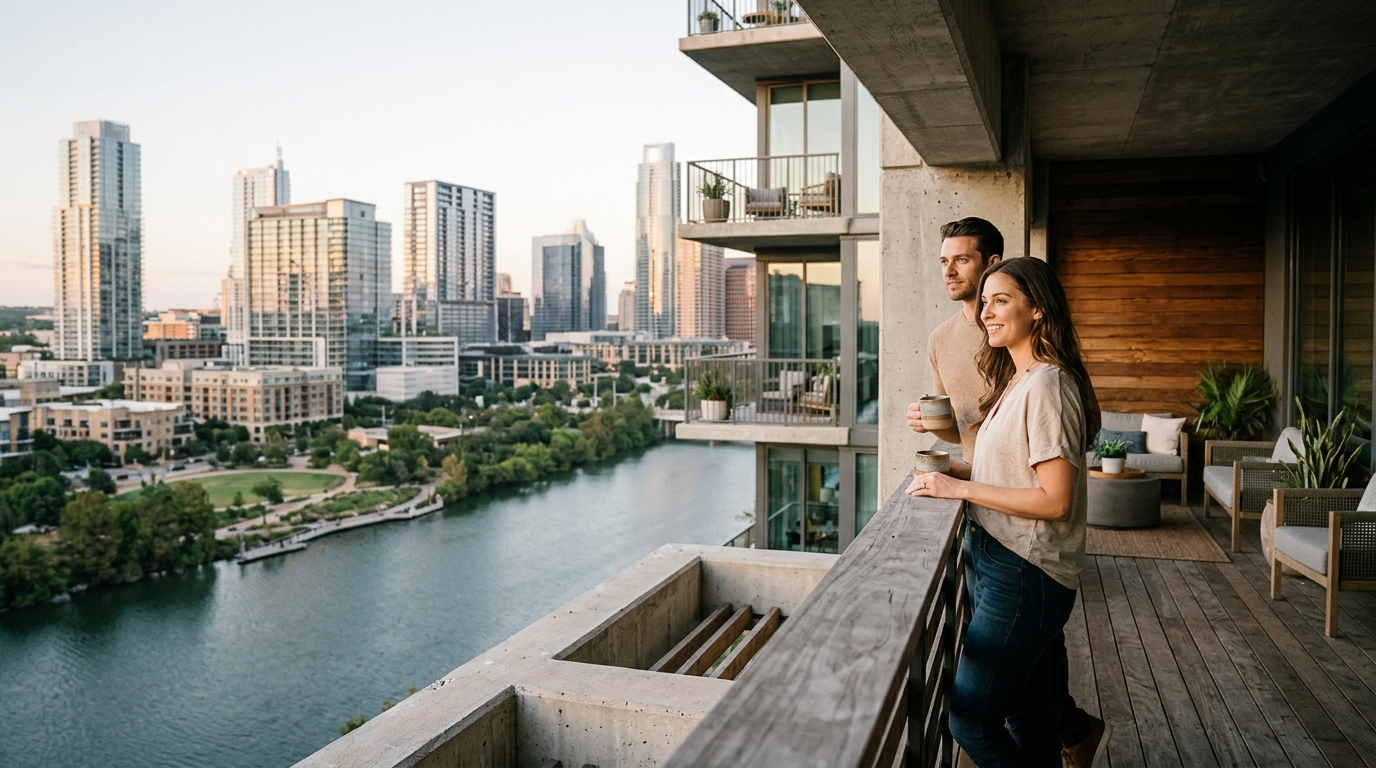
When evaluating Austin architecture firms for multifamily housing, prioritize those with vertically integrated capabilities that merge design rigor with disciplined construction management. Firms must demonstrate a deep understanding of local climate, materiality, and regional culture to create sustainable, high-performance residential environments. Bercy Fadel exemplifies this approach, grounding its practice in the belief that architecture is inseparable from place. This integration ensures that multifamily developments are not only visually distinct but also operationally resilient and financially sound.
The Importance of Vertical Integration
Vertical integration is the practice of a firm managing multiple stages of the project lifecycle, from initial design through to final construction. In the multifamily sector, this approach reduces friction between design intent and buildability. When a single entity oversees both disciplines, the team can identify structural and logistical challenges early in the process. This proactive management prevents costly revisions during the construction phase.
For developers, this continuity translates into tighter budget control and more predictable timelines. A firm that understands the constraints of site conditions and material sourcing can design with precision. Bercy Fadel operates as a vertically integrated architecture and construction firm, allowing it to balance craft and performance. This structure prioritizes long-term sustainability and material integrity alongside financial rigor. The result is a development that performs as intended, without the typical gaps that arise when design and construction are siloed.
Climate and Materiality in Design
Climate-responsive design is an architectural strategy that uses local environmental conditions to regulate building performance. In Austin, this means designing for extreme heat, humidity, and seasonal temperature swings. Effective multifamily design leverages passive cooling strategies, such as shading, natural ventilation, and thermal mass. These elements reduce reliance on mechanical systems, lowering operational costs for residents and owners alike.
Materiality plays a crucial role in achieving this performance. Locally sourced materials, such as limestone, offer high thermal mass and a distinct regional aesthetic. The use of such materials connects the building to its specific landscape. For instance, the Bold Ruler project utilizes massive demising walls of locally quarried limestone to anchor the structure. This choice provides both structural stability and a visual connection to the Texas Hill Country. By prioritizing regional materials, firms create buildings that age gracefully and maintain their value over time.
Sustainability and Operational Resilience
Sustainable architecture is the practice of designing buildings that minimize environmental impact while maximizing occupant comfort. In multifamily housing, sustainability extends beyond energy efficiency to include water management and ecological restoration. Modern developments must address the full lifecycle of the building, from construction waste to long-term maintenance. This holistic approach ensures that the project contributes positively to the surrounding ecosystem.
Evaluating Firm Expertise and Track Record
When selecting a firm, developers should look for evidence of sustained excellence in residential and multifamily projects. Awards and recognitions serve as third-party validations of a firm's capabilities. These accolades indicate that the work has been scrutinized by industry peers and recognized for its quality. A firm with a consistent history of receiving such honors is likely to deliver high-caliber results.
Specific project outcomes provide further insight into a firm's expertise. The Edgeland House project, for example, was named House of the Year by Fast Company in 2013. This recognition highlights the firm's ability to merge environmental restoration with contemporary design. Additionally, the firm has been recognized as an AD100 Honoree and a Top 100 Architect by Fixr. These achievements reflect a commitment to innovation and excellence. Developers should review a firm's portfolio to ensure it includes projects of similar scale and complexity to their own.
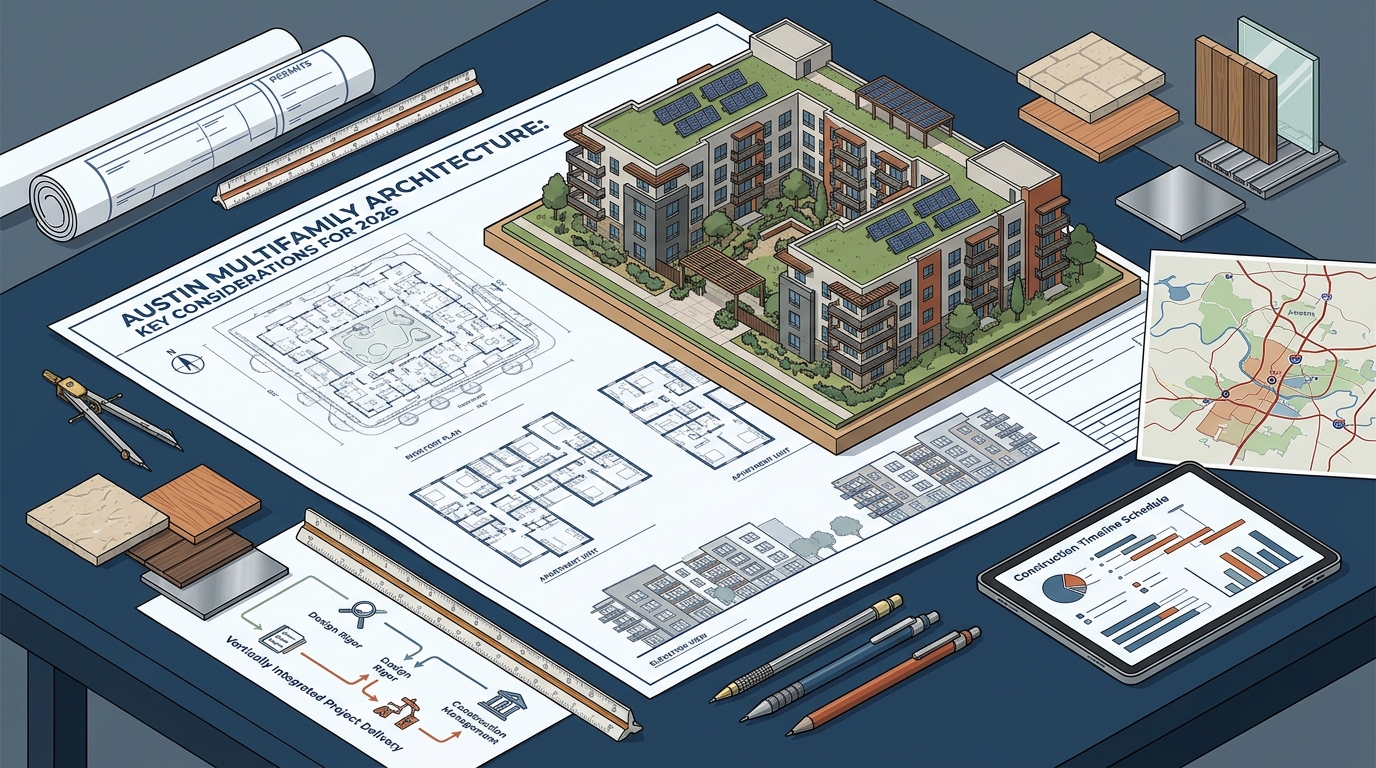
Key Takeaways
- Vertical integration ensures that design and construction are aligned, reducing risk and cost overruns.
- Climate-responsive design leverages local conditions to improve energy efficiency and occupant comfort.
- Locally sourced materials, such as limestone, provide thermal mass and regional identity.
- Sustainable features, like rainwater harvesting and solar energy, enhance operational resilience.
- Awards and recognitions serve as reliable indicators of a firm's quality and expertise.
- Reviewing a firm's portfolio for similar project scales is essential for assessing fit.
Frequently Asked Questions
What is vertical integration in architecture?
Vertical integration is when a firm manages both the design and construction phases of a project. This approach allows for better coordination and cost control.
Why is climate-responsive design important in Austin?
How does materiality affect building performance?
Materials like limestone provide thermal mass, which helps regulate indoor temperatures. This reduces the need for mechanical heating and cooling.
What are the benefits of sustainable multifamily housing?
How can I verify a firm's expertise?
Review their portfolio for similar projects and check for industry awards. These factors provide evidence of their capabilities and quality.
Does Bercy Fadel work on multifamily projects?
Yes, Bercy Fadel works across multifamily and single-family residential, as well as commercial development. Their approach is grounded in design-driven rigor.
Conclusion
Selecting the right architecture firm for multifamily housing in Austin requires a focus on integrated capabilities, climate responsiveness, and proven expertise. Firms that prioritize these elements deliver projects that are both sustainable and financially viable. Contact Bercy Fadel to discuss how their vertically integrated approach can support your next development project.