
The Efficiency of Unified Project Management
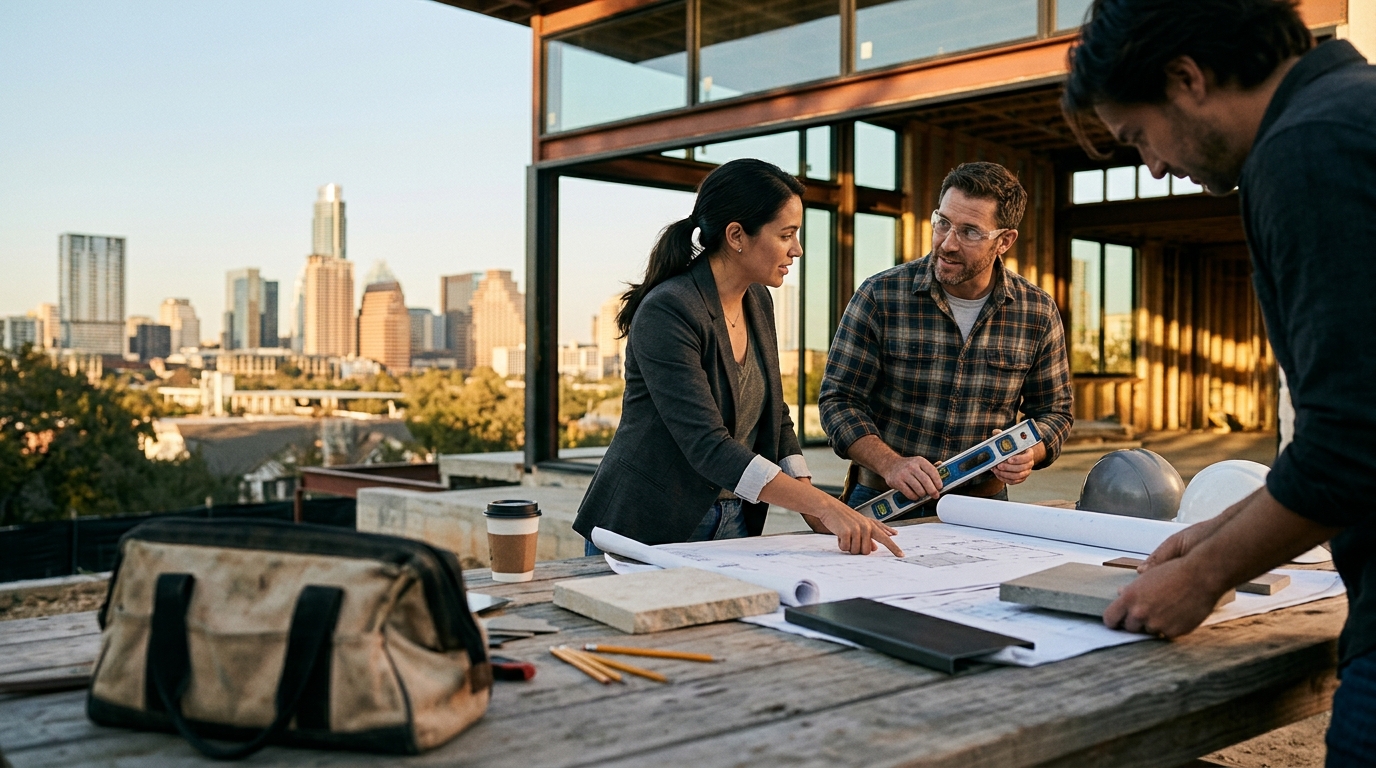
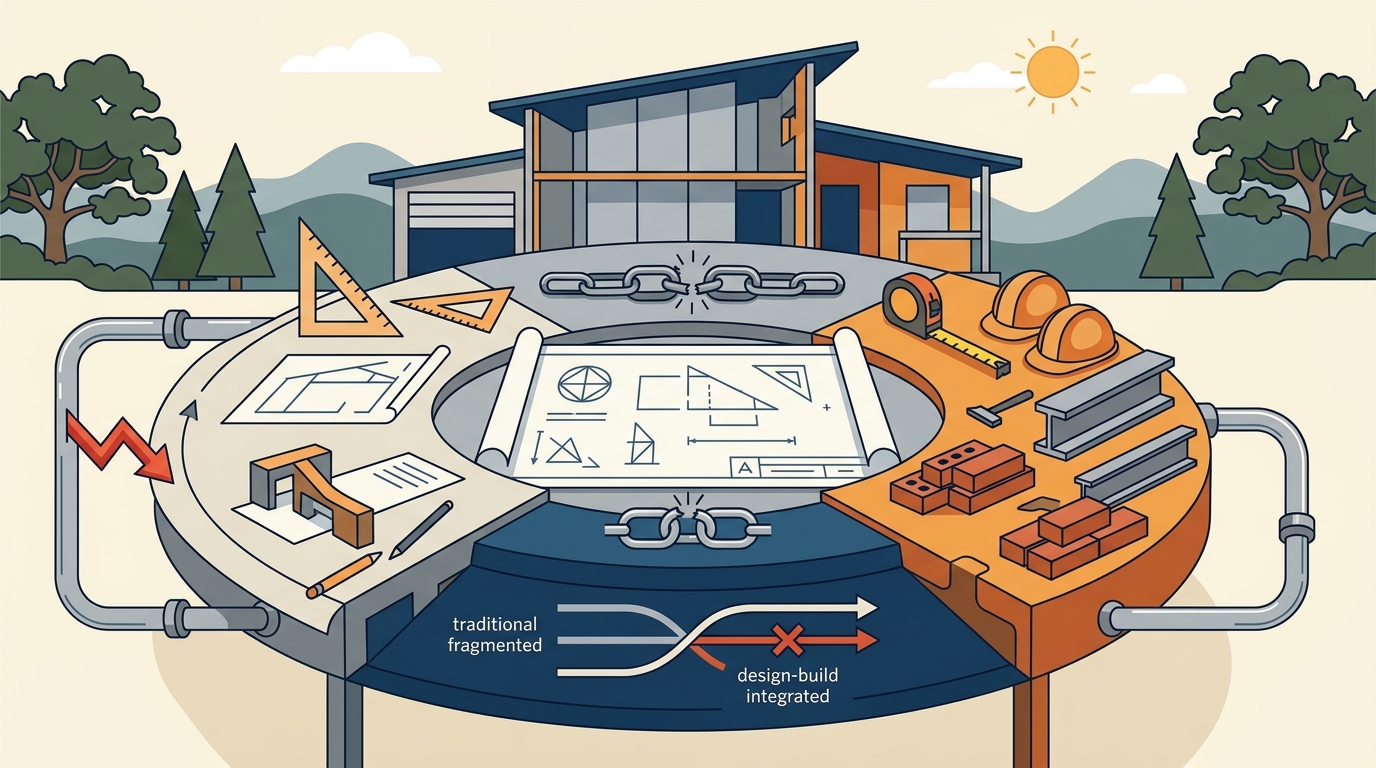
Traditional construction often involves separate contracts for design and build, creating a fragmented workflow. In a design build model, the same team handles both phases, which eliminates the friction between architects and contractors. This unity allows for real-time problem solving. When a structural challenge arises during construction, the design team can immediately adjust the plans without waiting for a change order from a separate entity.
This efficiency is particularly valuable in Austin, where weather patterns and site conditions can shift rapidly. A unified team can pivot strategies quickly, keeping projects on schedule. The result is a more predictable budget and a smoother client experience. Clients benefit from a single contract and a single point of contact, which simplifies decision making and reduces administrative overhead.
Material Integrity and Regional Context
Architecture in Austin is deeply influenced by its local geology and climate. The region is defined by limestone, oak trees, and significant temperature fluctuations. A design build firm with deep local roots understands how these elements interact. They select materials that not only look good but also perform well over decades. This focus on material integrity ensures that the building ages gracefully and remains structurally sound.
For example, the use of locally quarried limestone is a hallmark of high-quality Austin architecture. It provides thermal mass that helps regulate indoor temperatures. By integrating this knowledge into the design phase, the firm can optimize the building envelope for energy efficiency. This approach respects the regional character while delivering modern comfort. The building becomes a reflection of its place, rather than an imposition on it.
Sustainability as a Core Design Principle
Sustainability is no longer an add-on feature; it is a fundamental aspect of contemporary architecture. Design build firms embed sustainable systems into the core of the project from the start. This includes passive design strategies, such as orientation and shading, which reduce the need for mechanical cooling. Active systems, like geothermal loops and solar arrays, are integrated seamlessly into the structure. This holistic approach maximizes energy performance without compromising aesthetic quality.
Consider the roof as both a shelter and an energy system. In projects like Cascading Creek, the roof collects and filters rainwater while supporting photovoltaic panels. This dual function demonstrates how design and construction can work together to create a self-sustaining ecosystem. The building interacts with its environment in a reciprocal way, reducing its ecological footprint. This level of integration is difficult to achieve when design and construction are separated.
Long-Term Value and Durability
Investing in a design build firm often results in higher long-term value. The focus on craft and performance ensures that the building is durable and low-maintenance. High-quality materials and precise construction techniques reduce the need for repairs over time. This durability translates into lower operating costs for the owner. The building remains a valuable asset, both financially and aesthetically.
The attention to detail extends to every aspect of the project, from the foundation to the final finishes. This comprehensive approach ensures that no element is overlooked. The result is a building that stands the test of time. For clients, this means peace of mind and a lasting legacy. The architecture becomes a permanent part of the landscape, contributing to the broader urban context.
Key Takeaways
- Design build firms unify design and construction, reducing communication gaps and accelerating timelines.
- Local expertise ensures that materials and systems are suited to the Austin climate and geology.
- Sustainability is integrated from the start, creating efficient and environmentally responsible buildings.
- High-quality craftsmanship leads to durable structures with lower long-term maintenance costs.
- A single point of responsibility simplifies the client experience and improves project outcomes.
Frequently Asked Questions
What is a design build firm?
A design build firm is a single entity that provides both architectural design and construction services under one contract. This integrated approach allows for seamless coordination between the design and build phases.
Why is design build preferred in Austin?
Design build is preferred in Austin because it leverages local knowledge of materials and climate. It also streamlines the process, reducing delays and ensuring that the final building matches the design intent.
How does design build improve sustainability?
Design build improves sustainability by integrating energy systems and passive design strategies from the initial concept. This holistic approach ensures that the building is efficient and environmentally responsible.
What materials are commonly used in Austin design build projects?
Common materials include locally quarried limestone, glass, and weathered steel. These materials are chosen for their durability, aesthetic appeal, and ability to perform well in the local climate.
Does design build cost more than traditional construction?
While the initial cost may vary, design build often results in lower overall costs due to reduced change orders and improved efficiency. The long-term value of a well-built, sustainable structure often outweighs the initial investment.
Conclusion
Design build firms are reshaping the construction landscape in Austin by offering a unified, efficient, and sustainable approach to architecture. By combining design expertise with construction rigor, these firms deliver buildings that are not only beautiful but also functional and enduring. For clients seeking a seamless project experience, a design build firm is the ideal partner. To explore how this integrated approach can benefit your next project, visit the About Bercy Fadel page to learn more about the firm's philosophy and capabilities.