
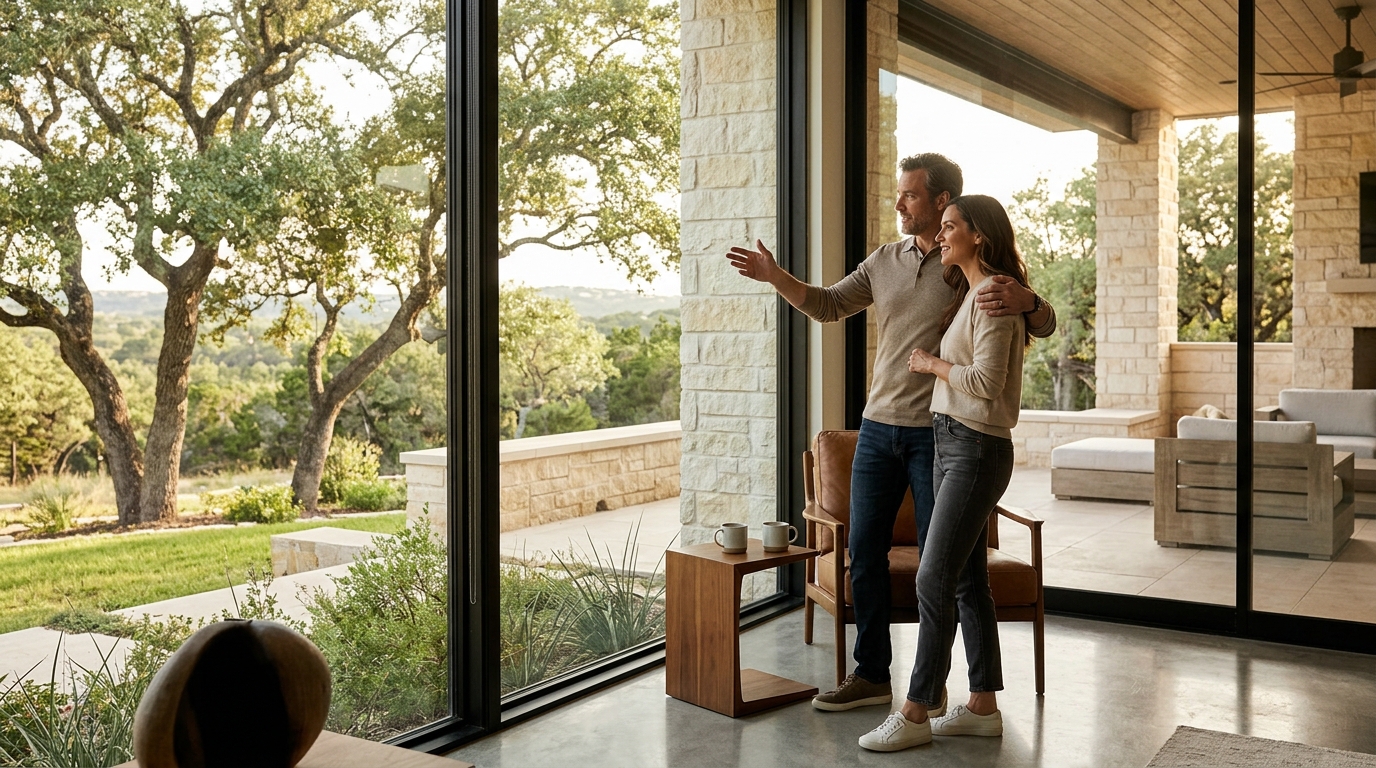
What to Know About Residential Architects in Austin Before Hiring
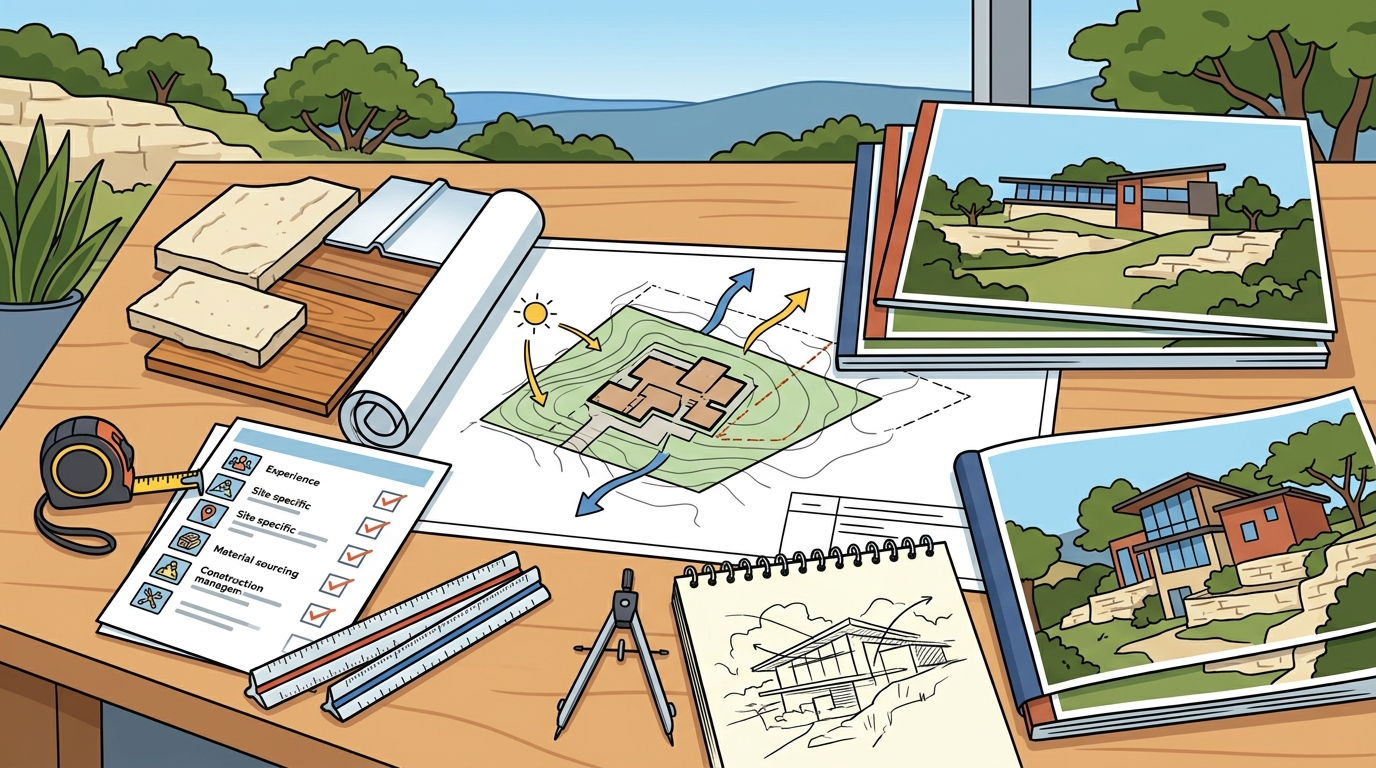
Residential architecture in Austin is defined by its deep integration with the local limestone landscape and Texas climate. Before hiring, you must evaluate a firm's specific experience with site-specific design, material sourcing, and construction management. Bercy Fadel, a vertically integrated architecture and construction firm based in Austin, Texas, provides a model for this approach. Their work demonstrates how meaningful design elevates everyday living by responding precisely to site conditions, climate, and regional culture.
Site-Specific Design and Topography
Architecture is inseparable from place, shaped by climate, materiality, landscape, and regional culture. In Austin, this means designing with the limestone hillside rather than against it. A residential architect is a professional who designs buildings that respond to their specific environmental context. For example, the Bold Ruler House takes inspiration from ancient Roman and Etruscan hillside towns. Its interlocking stucco and glass volumes project outward from the terrain, anchored by massive demising walls of locally quarried limestone. This approach ensures the home feels permanent and rooted within the landscape.
Material Integrity and Local Sourcing
Material integrity is the use of high-quality, durable materials that age gracefully and suit the local environment. Austin's architecture often features locally quarried limestone, which provides thermal mass and a distinct regional aesthetic. The Cascading Creek House uses two limestone walls to organize the home into public and private wings. These walls enclose courtyards and protect three mature oaks that define the site. By prioritizing material integrity, architects create structures that are both regionally rooted and enduring.
Sustainable Systems and Energy Efficiency
Sustainable design is the integration of systems that reduce environmental impact while enhancing occupant comfort. In the Texas climate, this often involves passive cooling and renewable energy generation. The Edgeland House is partially sunken into the earth to draw on the ground's natural thermal stability. Its green roof and hydronic heating system work in tandem to regulate temperature year-round. This creates a highly efficient and resilient envelope that reduces dependence on conventional energy sources.
Design-Build Integration and Construction Management
Design-build integration is a project delivery method where the architect and contractor collaborate from the start. This approach balances craft and performance, prioritizing long-term sustainability alongside financial and operational rigor. Bercy Fadel integrates internationally recognized architectural design with disciplined development and construction management. With over 50 years of combined experience, the firm’s work ensures that the design intent is preserved through the construction process. This reduces the risk of cost overruns and design compromises that often occur in traditional bid processes.
Spatial Quality and Everyday Living
Spatial quality is the arrangement of interior and exterior spaces to enhance human experience and well-being. Meaningful design elevates everyday living at every scale, from dense housing to bespoke private residences. The Falling Leaves House features three sculpted glass pavilions that nestle into a wooded hillside. Their folded roofs capture light, motion, and the quiet rhythm of nature. This focus on spatial quality ensures that the architecture supports the daily lives of its inhabitants, creating a calm and restorative environment.
Key Takeaways
- Residential architects in Austin must design with the local limestone landscape and Texas climate in mind.
- Material integrity involves using locally sourced materials like limestone for durability and regional character.
- Sustainable systems, such as geothermal loops and green roofs, are essential for energy efficiency in Texas.
- Design-build integration ensures that design intent is preserved through construction, reducing risk and cost overruns.
- Spatial quality focuses on creating environments that enhance everyday living and well-being.
- Bercy Fadel is a vertically integrated firm that balances craft, performance, and financial rigor.
- Look for firms with a proven track record of site-specific design and sustainable innovation.
Frequently Asked Questions
What is the primary focus of residential architecture in Austin?
The primary focus is on creating homes that respond to the local limestone landscape and Texas climate, using sustainable systems and locally sourced materials.
How does design-build integration benefit a residential project?
Design-build integration allows the architect and contractor to collaborate from the start, ensuring design intent is preserved and reducing the risk of cost overruns.
Why is material integrity important in Austin homes?
Material integrity ensures that homes use durable, locally sourced materials like limestone, which provide thermal mass and age gracefully in the Texas environment.
What role does sustainability play in Austin residential design?
Sustainability is central to Austin residential design, with features like green roofs, geothermal loops, and photovoltaic systems reducing environmental impact and energy costs.
How does Bercy Fadel approach residential projects?
Bercy Fadel approaches residential projects as opportunities to respond precisely to site conditions, integrating architectural design with disciplined construction management.
What is spatial quality in architecture?
Spatial quality is the arrangement of spaces to enhance human experience, ensuring that the architecture supports the daily lives and well-being of its inhabitants.
Conclusion
Hiring a residential architect in Austin requires a careful evaluation of their approach to site-specific design, material integrity, and sustainable systems. Bercy Fadel exemplifies this standard, offering a vertically integrated practice that balances craft and performance. To plan your visit or discuss your project, to explore how we can create architecture that is both regionally rooted and enduring.