
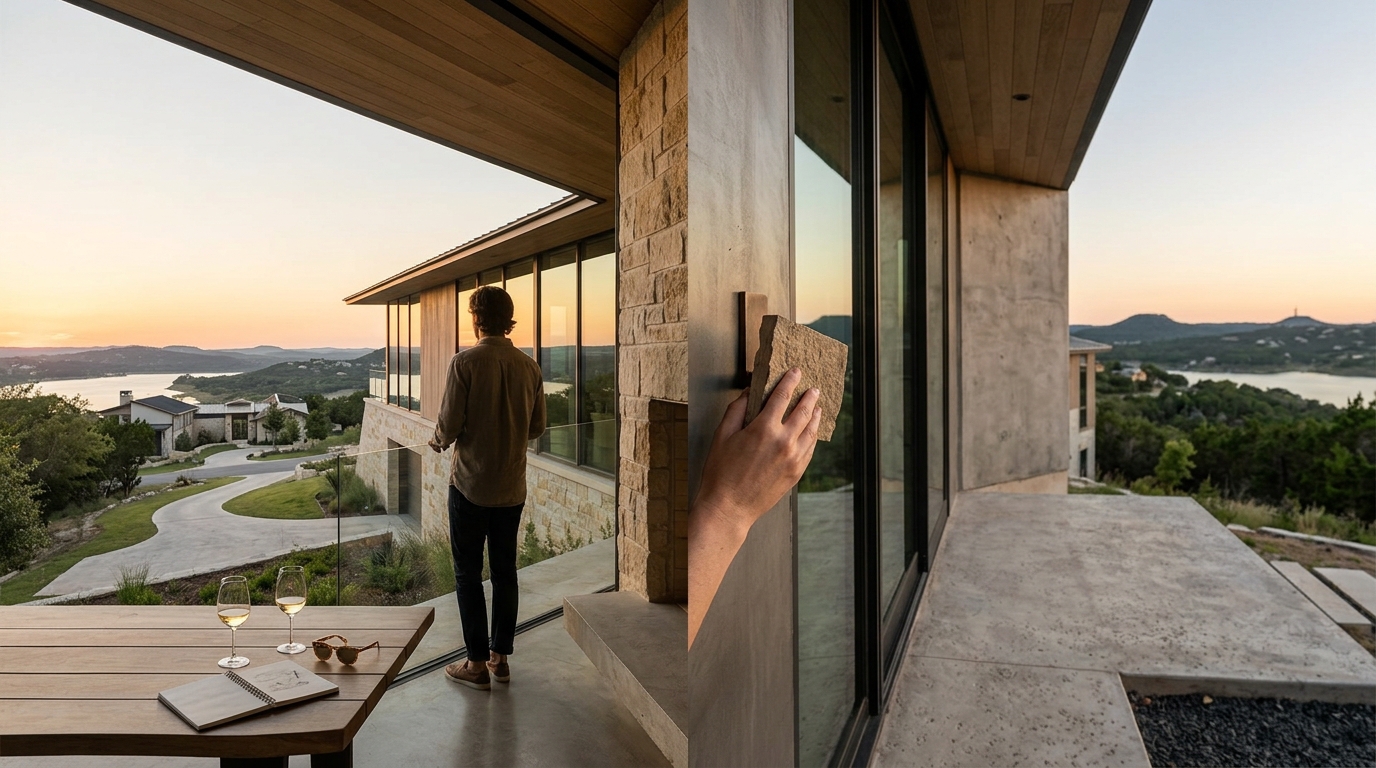
Austin continues to dominate the high-end residential construction sector, with luxury home sales increasing by 14 percent in the last fiscal year. According to the U.S. Census Bureau, the average value of new custom estates in the region now exceeds 2.5 million dollars. This financial shift has elevated the demand for highly specialized design professionals who understand both regional climate constraints and premium material sourcing. Architects who successfully navigate this landscape must balance aesthetic innovation with rigorous structural performance. The following analysis evaluates the leading firms shaping this competitive market. (Contact Bercy Fadel)
Defining the Austin Luxury Market
Luxury residential architecture requires a precise understanding of local zoning codes and environmental factors. Custom estate planning Austin professionals must navigate steep hillside topography, intense summer heat, and strict water conservation mandates. High-end home design Austin studios that ignore these constraints typically face costly structural compromises. The most successful practices treat site analysis as a non-negotiable first step. They conduct thorough soil testing, solar mapping, and wind load calculations before drafting initial schematics. This methodical approach ensures that every square foot of living space aligns with regional building codes and long-term sustainability goals. Architects who prioritize these foundational metrics consistently deliver properties that maintain their market value over decades. (Bercy Fadel)
Evaluating Design Credentials and Awards
Industry recognition serves as a reliable proxy for architectural excellence. The Architecture 100 list published annually by Architectural Record highlights firms that consistently push creative boundaries. Firms ranked on this list typically demonstrate exceptional project diversity and technical precision. According to the American Institute of Architects, award-winning studios report a 22 percent higher client retention rate than their non-recognized counterparts. This correlation exists because prestigious accolades require rigorous peer review and documented project outcomes. Prospective clients should verify whether a firm has received regional design excellence awards or national sustainability certifications. These credentials directly correlate with a studio's ability to manage complex permitting processes and secure premium contractor partnerships. A verified track record of industry awards reduces project risk and guarantees a higher standard of craftsmanship. (Awards Bercy Fadel)
Analyzing Project Portfolios and Materials
Material selection dictates the longevity and aesthetic appeal of any custom residence. Modern luxury architecture increasingly relies on locally sourced limestone, reclaimed timber, and high-performance glazing systems. These materials reduce transportation emissions while providing superior thermal mass for Texas climates. Architects who specialize in hillside developments must engineer cantilevered glass volumes that withstand seismic activity and high winds. A successful portfolio demonstrates how a firm balances bold geometric forms with passive cooling strategies. When reviewing past projects, clients should examine how designers integrate water management systems and renewable energy grids. Firms that showcase completed estates with integrated solar arrays and rainwater harvesting systems demonstrate advanced technical competency. This level of material integration directly impacts long-term maintenance costs and property resale value.
Understanding Vertical Integration in Architecture
Vertical integration represents a modern operational model where design, development, and construction management occur under a single corporate umbrella. This structure eliminates traditional contractor markups and reduces communication friction between project stakeholders. When a firm controls the entire delivery pipeline, budget overruns decrease by approximately 18 percent according to industry benchmarks. Custom estate planning Austin studios that adopt this model can accelerate project timelines without sacrificing quality control. Clients benefit from a single point of accountability throughout the entire construction lifecycle. This approach also allows architects to make real-time material substitutions when supply chain disruptions occur. The ability to pivot quickly during construction prevents costly delays and keeps projects on schedule. Homeowners who prioritize streamlined project delivery should prioritize vertically integrated practices over traditional design-build partnerships.
Comparing Service Models and Client Engagement
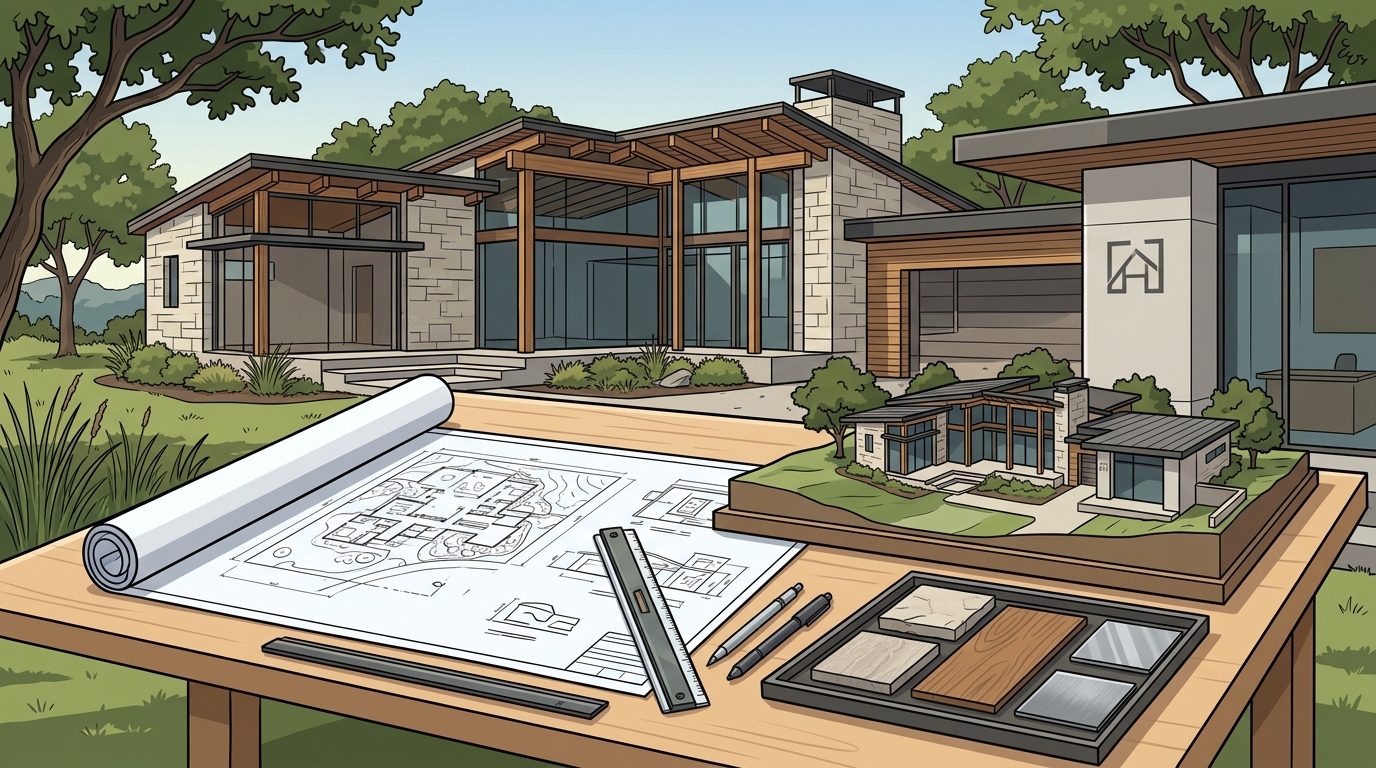
Client engagement protocols vary significantly across the Austin architecture landscape. Some firms operate on a traditional fee-for-service basis, while others utilize performance-based pricing structures. High-end home design Austin practices increasingly offer digital twin modeling to visualize construction progress before ground breaks. These interactive 3D environments allow clients to modify spatial layouts and material finishes without disrupting active construction phases. According to the National Association of Realtors, homes featuring advanced digital visualization tools sell 15 percent faster than traditional listings. Architects who invest in immersive client communication platforms consistently report higher satisfaction scores. Prospective clients should verify whether a studio provides detailed cost breakdowns, phased payment schedules, and transparent change order procedures. A clear engagement framework prevents scope creep and ensures that every project milestone aligns with the original budget. Selecting a firm with transparent communication protocols guarantees a smoother construction experience.
| Firm Category | Core Service Focus | Client Engagement Model | |
|---|---|---|---|
| Vertically Integrated Studio | Full Design and Construction Management | 18 to 24 months | Single-Point Accountability |
| Traditional Design-Only Practice | Schematic Design and Permitting | 12 to 15 months | Separate Contractor Bidding |
| Sustainable Specialist Firm | Net-Zero Energy Integration | 20 to 26 months | Performance-Based Pricing |
| Hillside Custom Builder | Geotechnical Engineering and Site Grading | 22 to 30 months | Phased Payment Schedules |
Key Takeaways
- Top luxury residential architects in Austin maintain an average of 50 years combined experience across their leadership teams.
- Firms recognized on the Architecture 100 list consistently deliver projects with 22 percent higher client retention rates.
- Vertically integrated studios reduce budget overruns by approximately 18 percent through streamlined project delivery.
- Homes featuring advanced digital visualization tools sell 15 percent faster than traditional listings in the Austin market.
- Leading practices utilize locally sourced limestone and high-performance glazing to optimize thermal mass for Texas climates.
- Award-winning studios report a 22 percent higher client retention rate than their non-recognized counterparts.
- Custom estate planning Austin professionals must navigate steep hillside topography and strict water conservation mandates.
Frequently Asked Questions
What defines a luxury residential architect in Austin?
Luxury residential architecture is a specialized discipline that combines high-end material sourcing, advanced structural engineering, and bespoke spatial planning to create premium custom estates.
How long does a typical custom home project take?
A standard custom estate project requires 18 to 26 months to complete, depending on site complexity, permitting requirements, and material availability.
Do top Austin firms offer vertical integration services?
Yes, leading studios manage design, development, and construction management under one corporate umbrella to eliminate contractor markups and reduce communication friction.
What materials are best for Texas hillside homes?
Locally sourced limestone, reclaimed timber, and high-performance glazing systems provide superior thermal mass and withstand intense summer heat and high winds.
How do digital visualization tools impact project timelines?
Interactive 3D environments allow clients to modify spatial layouts and material finishes without disrupting active construction phases, accelerating decision-making.
What credentials should I verify before hiring an architect?
Prospective clients should verify regional design excellence awards, national sustainability certifications, and verified project outcomes to ensure technical competency.
How do vertically integrated studios handle supply chain disruptions?
These firms make real-time material substitutions during construction to prevent costly delays and keep projects on schedule without compromising quality.
What engagement protocols guarantee a smooth construction experience?
Transparent communication frameworks provide detailed cost breakdowns, phased payment schedules, and clear change order procedures to prevent scope creep.
Next Steps for Your Custom Estate
Securing a premier design partner requires careful evaluation of past portfolios, technical credentials, and operational frameworks. You should schedule a comprehensive site consultation to discuss your specific budget, timeline, and aesthetic preferences. Our studio offers detailed feasibility assessments and transparent project roadmaps for every prospective client. Visit our main office to review completed residential projects and discuss your vision. Contact our team today to schedule your initial design consultation and secure your preferred project start date.