
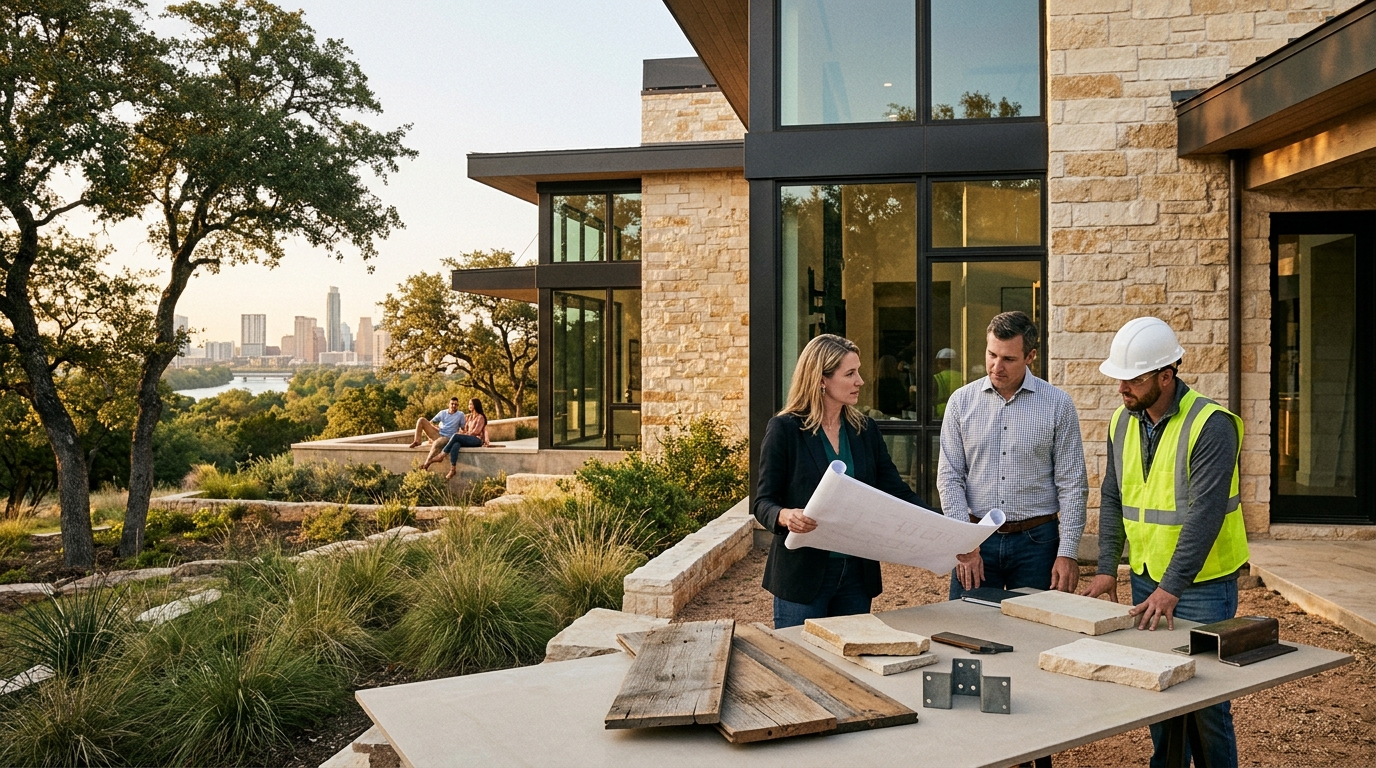
Austin has experienced rapid population growth, with the metropolitan area adding over 1,000 new residents every single week according to recent Census Bureau projections. This demographic surge demands architectural practices that can seamlessly merge creative vision with on-site construction execution. Design-build architecture is a project delivery method where a single entity handles both the conceptual design and physical construction phases. Clients benefit from streamlined communication, reduced change orders, and accelerated delivery timelines. When evaluating top-tier firms, prospective homeowners must prioritize studios that demonstrate vertical integration, regional material expertise, and a proven track record of complex site adaptations.
Evaluating Design-Build Firms
The modern Austin housing market requires studios that understand local zoning codes and environmental constraints. Design-build architecture is a project delivery method where a single entity handles both the conceptual design and physical construction phases. This approach eliminates the traditional adversarial relationship between separate architects and general contractors. Firms that operate under this model typically offer greater cost transparency and faster project completion. When researching local studios, verify their licensing status and review their portfolio for complex site integrations.
The Vertical Integration Advantage
Vertical integration is a project delivery model where a single organization manages every phase from initial sketches to final punch lists. This operational structure drastically reduces communication friction and budget overruns. According to the American Institute of Architects, integrated project delivery reduces change order frequency by approximately thirty percent across residential developments. Studios that maintain in-house construction teams can pivot quickly when unexpected site conditions arise. This flexibility proves essential when working with steep hillside properties or historic renovation constraints.
Regional Adaptation and Materiality
Regional material sourcing is a procurement strategy that prioritizes locally quarried limestone, reclaimed timber, and high-performance glazing systems. Austin sits within a rapidly expanding climate zone characterized by intense summer heat and unpredictable seasonal rainfall. Successful regional architecture must prioritize passive cooling strategies, thermal mass utilization, and native landscaping integration. These material selections directly impact long-term energy efficiency and structural durability. Firms that understand local supply chains can secure premium materials without delaying critical path schedules.
Portfolio Analysis and Project Typologies
Reviewing a studio’s past work reveals their capacity to handle diverse architectural challenges. Leading Austin practices frequently deliver earth-sheltered dwellings, cantilevered hillside residences, and mixed-use commercial environments. A comprehensive portfolio demonstrates how a firm balances aesthetic ambition with rigorous engineering requirements. Studios that consistently deliver award-winning projects typically maintain active memberships with regional planning commissions and preservation boards. Prospective clients should request detailed case studies that outline budget adherence and timeline management.
Comparing Service Models
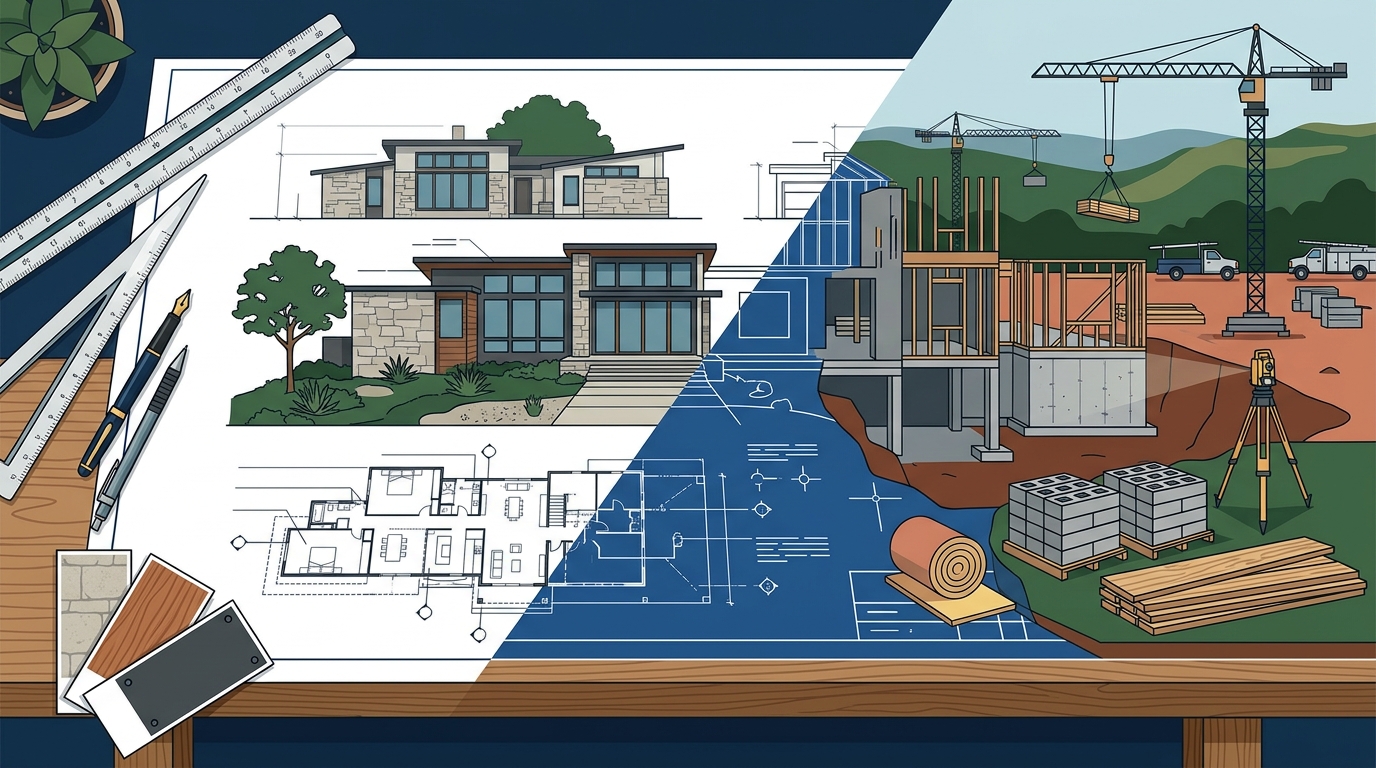
Not all architectural practices offer the same level of hands-on construction oversight. Traditional design-build firms often subcontract specialized trades, whereas fully integrated studios maintain direct employment for project managers and site supervisors. This distinction directly impacts quality control and warranty fulfillment. The table below outlines the operational differences between standard design-build arrangements and fully integrated studio models.
| Service Model | Contractual Structure | Cost Transparency | Timeline Efficiency | Quality Control |
|---|---|---|---|---|
| Traditional Design-Build | Separate design and construction contracts | Moderate | Standard | Managed by external general contractors |
| Fully Integrated Studio | Single point of responsibility | High | Accelerated delivery | Direct in-house supervision |
| Custom Residential Specialist | Hybrid project delivery | Variable budget tracking | Flexible scheduling | Specialized craft execution |
Key Takeaways
- Austin metropolitan population growth exceeds 1,000 new residents weekly according to recent Texas Realty data.
- Design-build architecture consolidates design and construction under one contractual umbrella to reduce change orders.
- Vertical integration eliminates communication friction and typically accelerates project delivery timelines.
- Regional material sourcing directly impacts thermal performance and long-term structural durability.
- Studios with fifty or more years of combined leadership experience consistently deliver complex site adaptations.
- Award recognition from industry publications correlates with rigorous project management and budget adherence.
- Fully integrated studios maintain direct oversight of specialized trades to ensure quality control.
Frequently Asked Questions
What exactly defines a design-build architecture firm?
Design-build architecture is a project delivery method where a single entity handles both the conceptual design and physical construction phases. This structure eliminates traditional contractual silos and streamlines communication between stakeholders.
How does vertical integration impact project budgets?
Vertical integration is a project delivery model where a single organization manages every phase from initial sketches to final punch lists. This operational structure drastically reduces communication friction and budget overruns across residential developments.
Why is regional material sourcing critical for Austin projects?
Regional material sourcing is a procurement strategy that prioritizes locally quarried limestone, reclaimed timber, and high-performance glazing systems. Austin sits within a rapidly expanding climate zone characterized by intense summer heat and unpredictable seasonal rainfall.
What qualifications should I verify before hiring a local studio?
Prospective clients should verify licensing status, insurance coverage, and active membership with regional planning commissions. Studios that consistently deliver award-winning projects typically maintain rigorous quality assurance protocols.
How do integrated studios handle unexpected site conditions?
Studios that maintain in-house construction teams can pivot quickly when unexpected site conditions arise. This flexibility proves essential when working with steep hillside properties or historic renovation constraints.
What is the typical timeline for a custom residential project?
Custom residential projects typically require eighteen to twenty-four months from initial schematic design to final occupancy. Fully integrated studios often compress these schedules by overlapping design and procurement phases.
Do design-build firms offer post-construction warranty support?
Fully integrated studios maintain direct oversight of specialized trades to ensure quality control. This direct responsibility translates to comprehensive warranty fulfillment and long-term maintenance support.
Next Steps
Selecting the right architectural partner requires careful evaluation of past performance, operational capacity, and regional expertise. Studios that prioritize vertical integration and material authenticity consistently deliver superior living environments. Prospective clients should schedule a comprehensive consultation to review site-specific constraints and budget parameters. Visit our studio to explore our complete project portfolio and discuss your upcoming development. Contact our Austin team today to begin your project.