

How Small Businesses Benefit from Working with a Professional Architecture Firm
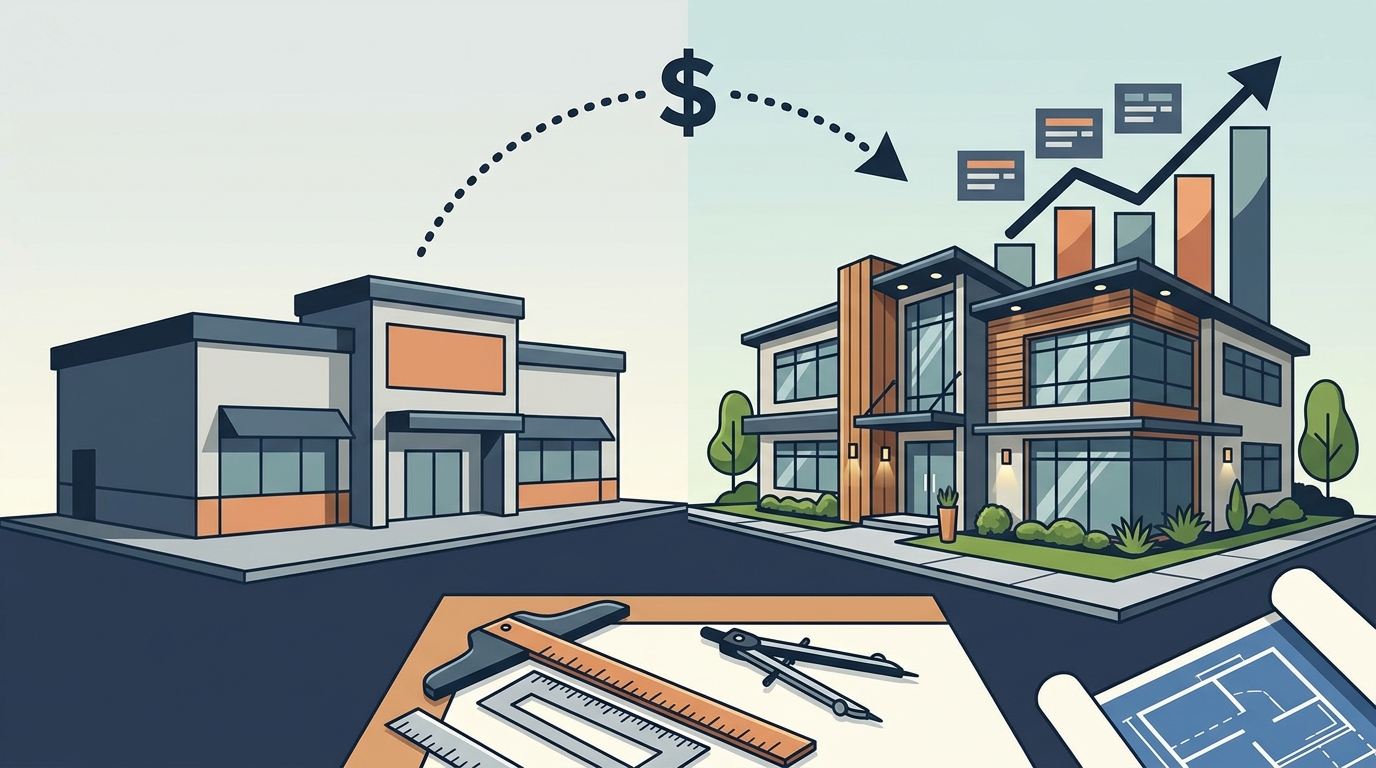
For many small business owners, the decision to commission architectural services often hinges on perceived cost versus immediate return. However, the data suggests a different reality. According to industry analysis, professional design interventions can increase property value by up to 20 percent while simultaneously optimizing operational efficiency. This statistic highlights that architecture is not merely an aesthetic expense but a strategic capital investment. When a small enterprise engages a vertically integrated firm, it gains access to a holistic approach that merges design intent with construction rigor, ensuring that every square foot contributes to the bottom line.
Strategic Planning and Site Analysis
Small businesses often operate in tight physical and financial constraints. A professional architecture firm provides the analytical framework necessary to maximize these limited resources. Site analysis is the foundational step where topographical data, solar orientation, and local zoning laws are scrutinized to determine the most viable development path.
This process prevents costly mistakes before ground is broken. For instance, understanding the specific geological conditions of a site, such as the limestone slopes found in Central Texas, allows architects to design foundations that are both stable and cost-effective. By integrating the building into the natural landscape, firms can reduce excavation costs and enhance the structural integrity of the project. This strategic foresight is critical for small businesses that cannot absorb the financial shock of unforeseen construction delays or design flaws.
Furthermore, a professional firm acts as a single point of accountability. Instead of managing separate contractors for design, engineering, and construction, the business owner works with a unified team. This vertical integration streamlines communication and accelerates decision-making. The result is a project that moves from concept to completion with greater precision and less administrative burden for the business owner.
Cost Efficiency Through Integrated Services
One of the most significant benefits of hiring a professional architecture firm is the ability to control costs through integrated services. When design and construction are managed under one roof, the potential for value engineering increases dramatically. Value engineering is the systematic process of optimizing project costs without sacrificing quality, functionality, or performance.
Consider the approach taken in the Bold Ruler project. By utilizing locally quarried limestone and hand-set blocks, the firm reduced transportation costs while creating a structure that is deeply rooted in its regional context. This method not only lowered material expenses but also resulted in a building with enduring aesthetic appeal. For a small business, this translates to a facility that requires less maintenance and retains its value over time.
Additionally, professional firms leverage their relationships with suppliers and subcontractors to secure better pricing. These economies of scale are often inaccessible to individual small business owners. By passing these savings on to the client, the architecture firm effectively reduces the overall capital expenditure required for the project. This financial efficiency allows small businesses to allocate more resources toward their core operations, such as marketing, inventory, or talent acquisition.
Enhancing Brand Identity Through Space
In the modern economy, physical space is a powerful marketing tool. A well-designed environment communicates professionalism, trust, and innovation to clients and employees alike. Brand identity is no longer confined to logos and color schemes; it is increasingly expressed through the architectural experience of a business.
Take the example of Skylight Cinema. The design utilizes luminous glass and copper to activate the street level, transforming a simple commercial space into a cultural landmark. This level of design intentionality attracts foot traffic and creates a memorable experience for visitors. For a small business, such differentiation is crucial in a crowded marketplace. A distinctive architectural presence can serve as a silent ambassador for the brand, generating word-of-mouth referrals and social media engagement.
Moreover, the interior layout directly impacts employee productivity and well-being. Open floor plans, natural lighting, and ergonomic workspaces are not just trends; they are evidence-based design strategies that reduce absenteeism and increase job satisfaction. By investing in a workspace that prioritizes human-centric design, small businesses can attract and retain top talent, giving them a competitive edge in the labor market.
Navigating Regulatory Compliance
Small businesses often lack the in-house expertise to navigate the complex web of building codes, zoning regulations, and environmental standards. A professional architecture firm provides the necessary legal and technical guidance to ensure full compliance. Regulatory compliance is the adherence to all local, state, and federal laws governing construction and land use.
Failure to comply with these regulations can result in severe penalties, project stoppages, and even demolition orders. An experienced firm anticipates these hurdles and designs solutions that meet or exceed code requirements from the outset. For example, in regions with strict seismic or wind load requirements, professional engineers work closely with architects to ensure structural safety without over-engineering the design. This balance ensures that the project is both safe and cost-effective.
Additionally, professional firms stay current with evolving sustainability standards and green building certifications. By guiding clients through the LEED or similar certification processes, they help small businesses qualify for tax incentives and grants. These financial benefits can significantly offset the initial cost of sustainable design features, making eco-friendly construction a financially viable option for small enterprises.
Long-Term Value and Sustainability
The true value of professional architectural services is realized over the lifespan of the building. A poorly designed facility may save money upfront but will incur higher operational costs over time. Sustainable architecture is the practice of designing buildings that minimize environmental impact and maximize resource efficiency throughout their lifecycle.
Projects like Cascading Creek demonstrate how sustainable design can be integrated into residential and commercial structures. By incorporating rainwater harvesting and solar energy systems, the building reduces its reliance on external utilities. For a small business, this translates to lower utility bills and a smaller carbon footprint. These operational savings accumulate over years, providing a substantial return on the initial design investment.
Furthermore, sustainable buildings command higher resale values. As environmental awareness grows among consumers and investors, properties with green certifications become more desirable. By future-proofing their facility with sustainable design principles, small business owners protect their asset against obsolescence and market shifts. This long-term perspective is essential for building a resilient and enduring business.
Key Takeaways
- Vertical Integration: Firms like Bercy Fadel combine design and construction management, reducing communication gaps and accelerating project timelines for small businesses.
- Cost Control: Integrated services allow for value engineering, which optimizes material and labor costs without compromising quality, as seen in the Bold Ruler project.
- Brand Differentiation: Unique architectural designs, such as the Skylight Cinema, create memorable customer experiences that drive foot traffic and brand loyalty.
- Regulatory Expertise: Professional firms navigate complex zoning and building codes, preventing costly legal issues and ensuring structural safety.
- Sustainability Benefits: Eco-friendly designs reduce long-term operational costs through energy efficiency and water conservation, as demonstrated in Cascading Creek.
- Talent Retention: Human-centric workspace design improves employee well-being and productivity, helping small businesses attract top talent.
- Asset Value: Professionally designed buildings retain higher resale values and qualify for green building incentives, protecting the owner's financial investment.
Frequently Asked Questions
Is professional architecture too expensive for a small business?
While the upfront cost may seem high, the long-term savings from value engineering, reduced operational expenses, and increased property value often outweigh the initial investment. Professional firms also help secure grants and tax incentives for sustainable design.
How does a vertically integrated firm help small businesses?
A vertically integrated firm manages both design and construction, which streamlines communication, reduces errors, and accelerates project delivery. This single-point accountability is crucial for small business owners who lack the time to manage multiple contractors.
Can architecture really improve my brand identity?
Yes. Physical space is a tangible expression of your brand. A well-designed facility communicates professionalism and innovation, attracting customers and employees who align with your values. Unique architectural features can also serve as powerful marketing tools.
What is value engineering in construction?
Value engineering is the systematic process of analyzing a project's design to find ways to reduce costs without sacrificing quality, functionality, or performance. It often involves substituting materials or optimizing systems to achieve better financial outcomes.
How do professional firms handle regulatory compliance?
Professional architects and engineers stay current with local building codes, zoning laws, and environmental regulations. They ensure that all designs meet these requirements, preventing legal issues, fines, and construction delays that could derail a small business project.
What are the benefits of sustainable architecture for small businesses?
Sustainable architecture reduces utility bills through energy-efficient systems and water conservation. It also enhances brand reputation by demonstrating environmental responsibility and can qualify the business for green building certifications and financial incentives.
Why is site analysis important before starting a project?
Site analysis evaluates topography, soil conditions, solar orientation, and local regulations. This data ensures that the design is feasible, cost-effective, and harmonious with the environment, preventing costly mistakes during construction.
Start Your Project
Transform your small business vision into a tangible reality with the expertise of a professional architecture firm. Whether you are looking to revitalize an existing space or construct a new headquarters, the strategic advantages of professional design are undeniable. Contact Bercy Fadel today to schedule a consultation and discover how our vertically integrated approach can drive your business growth.