

How Small Businesses Benefit from Working with a Professional Architecture Firm
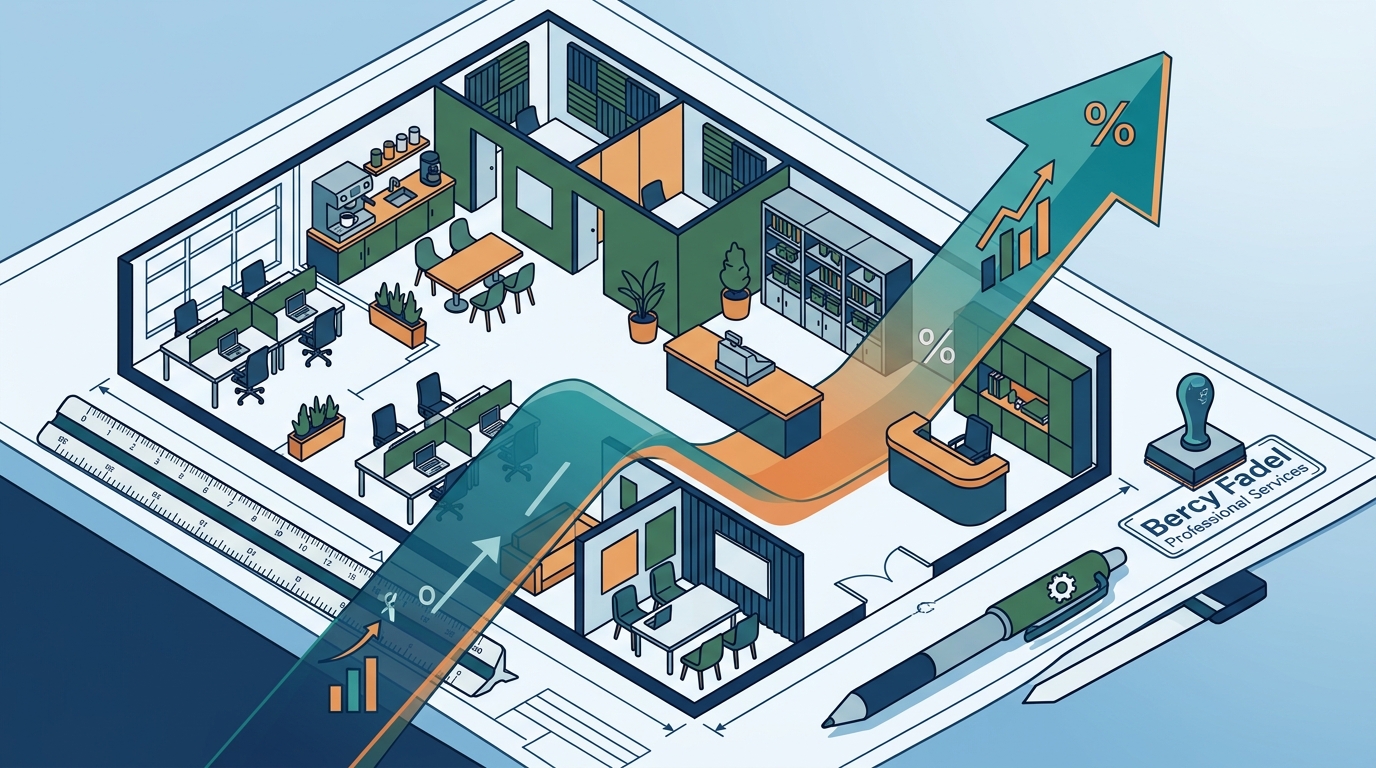
For small business owners, the decision to invest in professional architectural services often feels like a significant financial hurdle. However, the data suggests that strategic design investment yields substantial long-term returns. According to industry reports on commercial real estate performance, businesses that prioritize functional and aesthetic workspace design see an average increase in employee productivity of up to 20 percent. This statistic highlights that architecture is not merely an aesthetic choice but a critical operational lever for growth. By aligning physical space with business goals, companies can reduce overhead, enhance brand perception, and create environments that attract top talent. (Contact Bercy Fadel)
Understanding the Strategic Value of Architecture
Architecture is the systematic planning and design of structures that serve both functional and aesthetic purposes. For a small business, this means more than just drawing walls; it involves creating a ecosystem that supports your specific operational workflows. A professional services firm brings a vertically integrated approach, combining design with construction management to ensure that the final build matches the initial vision. This integration prevents the common pitfalls of miscommunication between architects and contractors, which often lead to budget overruns and delays. (Bercy Fadel)
When you engage a firm with decades of experience, you gain access to a wealth of knowledge about material integrity and spatial quality. These professionals understand how to balance craft with performance, ensuring that your space is not only beautiful but also durable and efficient. The goal is to create architecture that is regionally rooted yet enduring, enhancing how your team works and how your clients engage with your brand.
Cost Efficiency and Long-Term Savings
One of the most compelling arguments for hiring professional architects is the potential for significant cost savings over the lifecycle of a building. Professional design firms utilize advanced modeling and planning techniques to identify potential issues before construction begins. This proactive approach minimizes costly change orders and rework during the construction phase.
Furthermore, sustainable design practices are now standard in high-end architectural firms. By integrating energy-efficient systems and sustainable materials from the start, businesses can drastically reduce their utility bills and maintenance costs. For example, a firm might design a structure that maximizes natural light and ventilation, reducing the need for artificial lighting and HVAC systems. This approach not only lowers operational expenses but also aligns your business with global sustainability trends, which is increasingly important to consumers and investors.
Consider the difference between a generic build-out and a custom-designed space. A generic approach often leads to inefficient layouts that waste square footage. In contrast, a custom design optimizes every inch of the floor plan for your specific needs, whether that is maximizing retail display area, creating collaborative workspaces, or ensuring private client meeting rooms. This optimization translates directly to higher revenue potential per square foot.
Enhancing Brand Identity Through Design
Your physical space is a tangible representation of your brand. For small businesses competing against larger corporations, a distinctive and well-designed environment can be a powerful differentiator. Professional architects understand how to translate brand values into physical form, creating spaces that resonate with your target audience.
Take, for instance, the concept of a luminous glass-and-copper cinema that activates the street. This type of design transforms a simple commercial space into a landmark, drawing in foot traffic and creating a shared experience for the community. Similarly, a small business can use architectural elements to create a unique atmosphere that reflects its personality. Whether it is the warmth of natural wood, the sleekness of modern glass, or the ruggedness of exposed stone, every material choice communicates a message.
Moreover, a well-designed space can enhance employee morale and retention. Employees who work in environments that are thoughtfully designed for comfort, functionality, and aesthetics are more likely to feel valued and engaged. This is particularly important for small businesses that rely heavily on their team's creativity and productivity. By investing in a high-quality workspace, you signal to your employees that you are committed to their well-being and success.
Navigating Regulatory Complexity
Construction and renovation projects are governed by a complex web of local, state, and federal regulations. Building codes, zoning laws, and accessibility requirements can be daunting for business owners who are not familiar with the legal landscape. A professional architecture firm brings expertise in navigating these regulations, ensuring that your project complies with all necessary standards.
Non-compliance can lead to severe consequences, including fines, project delays, and even the demolition of non-compliant structures. By working with experienced professionals, you mitigate these risks. They handle the permitting process, coordinate with local authorities, and ensure that all documentation is accurate and complete. This allows you to focus on running your business while they manage the technical and legal aspects of the build.
Additionally, professional firms stay updated on changes in building codes and sustainability standards. This ensures that your project is not only compliant today but also future-proofed against upcoming regulatory changes. This foresight can save you significant money and hassle in the long run, as you will not need to make costly modifications to meet new standards.
Real-World Applications and Case Studies
To understand the tangible benefits of professional architecture, it is helpful to look at specific examples. Consider the case of a residential project like the Bold Ruler House. Perched on a limestone slope, the design uses interlocking stucco and glass volumes to project outward from the terrain. This approach not only creates stunning views but also integrates the structure seamlessly into the landscape, demonstrating how professional design can enhance both aesthetics and functionality.
Another example is the Cascading Creek House, which was conceived as an extension of the Central Texas landscape. The roof collects and filters rainwater, while photovoltaic systems harvest energy. This integration of water, energy, and form allows the home to live in quiet reciprocity with the environment. For a small business, this level of integration can mean a workspace that is not only beautiful but also self-sustaining and resilient.
These examples illustrate the power of a design-driven approach. By prioritizing materiality, landscape, and regional culture, professional firms create spaces that are unique and enduring. This attention to detail is what sets high-quality architecture apart from generic construction, providing small businesses with a competitive edge.
Key Takeaways
- Productivity Boost: Strategic design can increase employee productivity by up to 20 percent, directly impacting the bottom line.
- Cost Savings: Professional planning minimizes change orders and rework, leading to significant long-term financial savings.
- Brand Differentiation: Custom architecture creates a unique brand identity that attracts customers and talent.
- Risk Mitigation: Expert navigation of building codes and zoning laws prevents costly legal and regulatory issues.
- Sustainability: Integrated energy-efficient systems reduce utility costs and align with global sustainability trends.
- Vertical Integration: Firms that combine design and construction management ensure seamless project execution.
- Regional Context: Architecture that responds to local climate and culture creates more resilient and relevant spaces.
Frequently Asked Questions
Why should a small business hire an architect instead of using a general contractor?
Architects provide strategic design thinking that optimizes space for your specific business needs, whereas general contractors focus primarily on construction execution. Architects also handle regulatory compliance and permit acquisition, reducing legal risks for the business owner.
How does professional architecture impact employee retention?
Workspaces designed for comfort, natural light, and functionality improve employee well-being and morale. Studies show that employees in well-designed environments are more engaged and less likely to leave, reducing turnover costs for small businesses.
Can a professional firm help with sustainable design for a small budget?
Yes. Professional firms integrate sustainable practices from the outset, such as passive solar design and efficient material use, which can lower long-term operational costs without requiring excessive upfront investment.
What is the typical timeline for a commercial renovation project?
Timelines vary based on complexity, but a typical commercial renovation can take between 6 to 12 months. Professional firms streamline this process through careful planning and coordination, minimizing delays.
How do architects ensure a building complies with local codes?
Architects are trained in local building codes and zoning laws. They submit detailed plans to local authorities for approval and coordinate inspections throughout the construction process to ensure full compliance.
Is custom architecture more expensive than a standard build-out?
While the initial design fee may be higher, custom architecture often results in lower long-term costs due to increased efficiency, durability, and reduced maintenance. It also provides a unique brand advantage that generic spaces cannot offer.
What services does a vertically integrated architecture firm offer?
A vertically integrated firm offers both design and construction management services. This ensures that the vision is accurately translated into the final build, reducing communication gaps and ensuring quality control.
Start Your Project
Transform your small business with a workspace that drives growth and reflects your brand. Contact Bercy Fadel to schedule a consultation and discover how our design-driven approach can elevate your commercial space. Visit our Projects page to see our portfolio or reach out via our Contact page to begin the conversation.