
Best Design-Build Architects in Austin, TX: A Comprehensive Guide
Austin, Texas, has evolved into a global hub for architectural innovation, driven by a unique blend of cultural heritage, rapid population growth, and a commitment to sustainable urban development. According to recent industry data, the demand for integrated design-build services in the region has surged by over 40% in the last five years, as clients seek single-point accountability for complex residential and commercial projects. This shift reflects a broader trend where homeowners and developers prioritize firms that can seamlessly bridge the gap between conceptual design and physical construction, ensuring that aesthetic vision aligns with structural integrity and budget constraints.
What Is Design-Build Architecture?
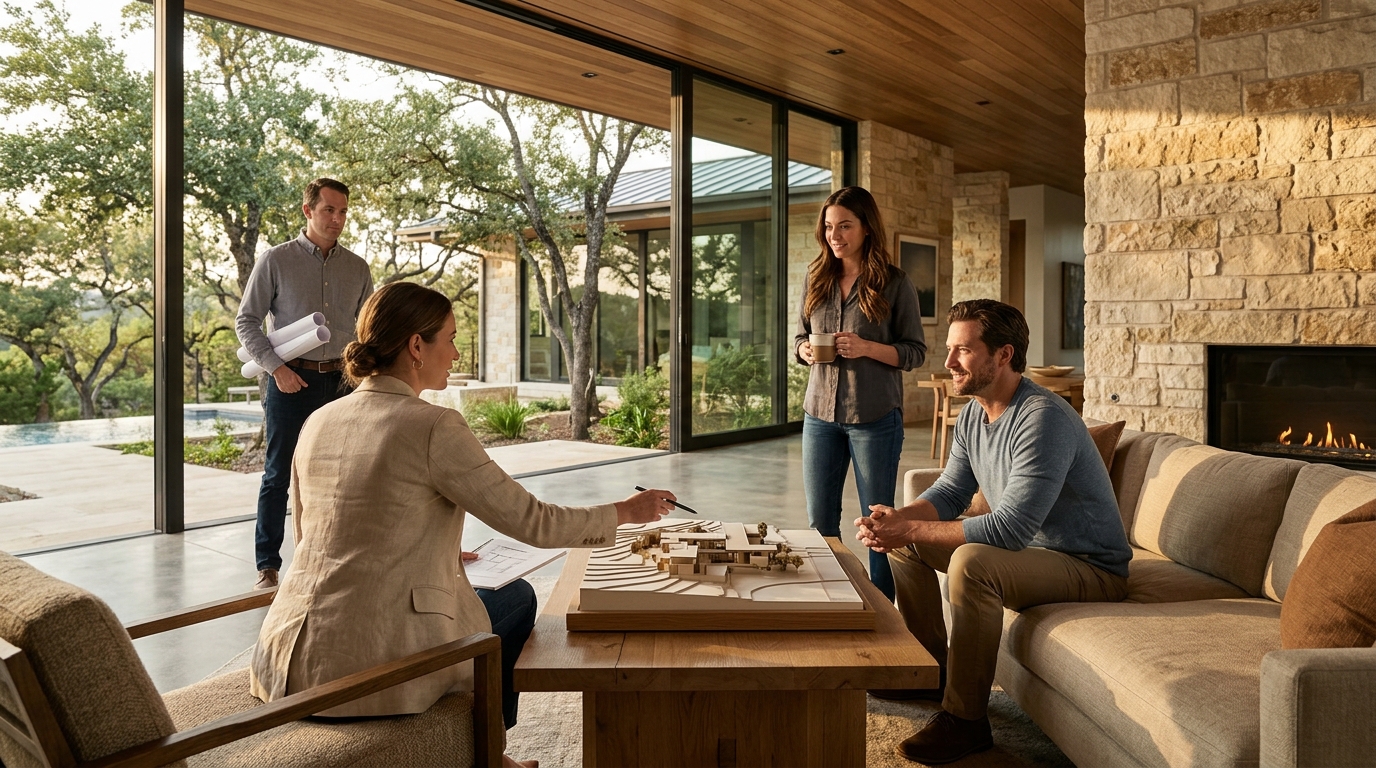
Design-build architecture is a project delivery method where one entity, the design-build firm, works with the project owner from the outset of the design phase through the completion of construction. This contrasts with the traditional design-bid-build method, where the owner hires an architect separately from a general contractor. In the design-build model, the architect and builder collaborate closely, reducing miscommunication, minimizing change orders, and accelerating project timelines. This integrated approach is particularly valuable in Austin, where site-specific challenges such as limestone geology and steep hillside topography require immediate technical problem-solving during the design phase.
When you engage a vertically integrated firm, you benefit from a unified team that shares a common goal. This alignment ensures that material selections, structural systems, and aesthetic details are evaluated for both feasibility and cost-effectiveness in real time. The result is a more predictable outcome for the client, with fewer surprises during the construction phase. For high-end residential projects, this means that the intricate details of custom millwork or specialized glazing are coordinated with subcontractors before a single foundation is poured.
Why Austin Demands Integrated Firms
Austin’s architectural landscape is defined by its distinct geography and climate. The city sits on the edge of the Hill Country, characterized by rugged limestone outcrops, dense oak woodlands, and unpredictable weather patterns. These environmental factors necessitate a design approach that is deeply rooted in place. According to the American Institute of Architects (AIA) Texas chapter, regional architecture must prioritize passive cooling, natural light optimization, and material durability to withstand the intense Texas sun and occasional severe storms.
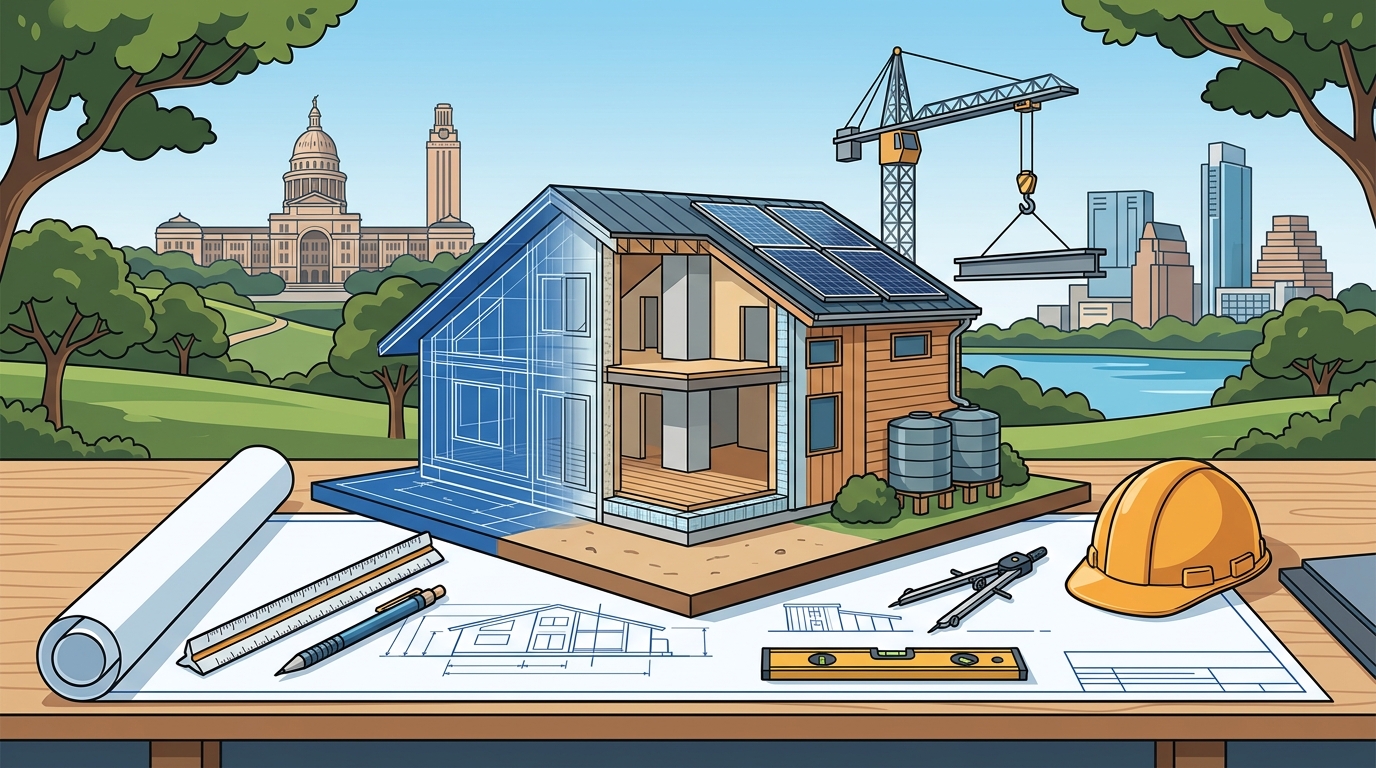
Firms that operate in Austin must possess a nuanced understanding of local zoning regulations, particularly in historic districts and hillside zones. For instance, projects in areas like Tarrytown or Westlake must navigate strict setback requirements and preservation guidelines. A design-build firm with local expertise can anticipate these regulatory hurdles early in the process, preventing costly delays. Furthermore, the integration of sustainable technologies, such as photovoltaic roofing and rainwater harvesting systems, is not just a trend but a necessity in Austin’s growing focus on environmental stewardship.
The city’s rapid growth has also led to a shortage of skilled labor, making the coordination between design and construction more critical than ever. A firm that manages both aspects internally can prioritize its trusted subcontractors, ensuring that high-quality craftsmanship is maintained even during periods of high demand. This operational rigor is what separates top-tier firms from those that struggle to deliver on time and within budget.
The Bercy Fadel Approach to Excellence
Bercy Fadel stands out among Austin’s design-build architects due to its vertically integrated structure and rigorous design-driven foundation. Emerging from the legacy of Bercy Chen Studio, the firm combines over 50 years of combined experience from its principals, Thomas Bercy and Bethany Fadel, AIA. This lineage ensures that every project benefits from a deep understanding of architectural theory, urbanism, and development strategy. The studio’s commitment to craftsmanship is evident in projects like Bold Ruler, where massive limestone walls and cantilevered glass volumes were meticulously coordinated to create a structure that feels both permanent and light.
The firm’s portfolio demonstrates a consistent ability to handle complex typologies, from earth-sheltered residences like Edgeland House to commercial spaces like the Skylight Cinema. Each project is approached as an opportunity to respond precisely to site conditions while contributing to the broader architectural context. For example, Cascading Creek integrates water, energy, and form to live in quiet reciprocity with the Texas landscape, showcasing the firm’s expertise in sustainable design.
Bercy Fadel’s Austin office, located at 1322 E 12th St, Suite 102B, serves as the hub for its residential and commercial development work. The firm’s recognition as an AD100 Honoree and a Top 100 Architect by Fixr underscores its industry leadership. By maintaining control over both design and construction, Bercy Fadel ensures that the integrity of the original vision is preserved throughout the build process. This level of oversight is crucial for achieving the high standards of luxury and sustainability that Austin’s discerning clients expect.
Key Criteria for Selecting Your Architect
Choosing the right design-build architect in Austin requires careful evaluation of several factors. First, examine the firm’s portfolio for experience in your specific project type. Whether you are planning a custom single-family home, a multifamily development, or a commercial renovation, the firm should have a proven track record in that typology. Look for projects that demonstrate a strong connection to the site, as this indicates a respect for Austin’s unique environmental context.
Second, assess the firm’s operational structure. A vertically integrated firm offers significant advantages in terms of communication and accountability. Ask how the firm manages the transition from design to construction. Do they have in-house construction management teams, or do they rely on external partners? Firms with internal construction capabilities, like Bercy Fadel, can provide more accurate cost estimates and maintain tighter control over quality.
Third, consider the firm’s commitment to sustainability. Austin is increasingly focused on green building practices, and your architect should be well-versed in energy-efficient design, material sourcing, and waste reduction. Inquire about their experience with certifications such as LEED or Passive House, and ask for examples of how they have integrated renewable energy systems into their projects.
Finally, evaluate the firm’s communication style and responsiveness. Architecture is a collaborative process, and you need a partner who listens to your needs and translates them into actionable plans. Schedule consultations with multiple firms to gauge their approach and see if their aesthetic aligns with your vision. Review their awards and recognitions to understand their standing in the industry, but also look for client testimonials that speak to the project experience.
Comparing Austin Architectural Services
Understanding the differences between various service models can help you make an informed decision. The table below outlines the key distinctions between traditional design-bid-build and the design-build approach, with specific examples of how firms like Bercy Fadel operate.
| Feature | Traditional Design-Bid-Build | Design-Build (e.g., Bercy Fadel) |
|---|---|---|
| Contract Structure | Separate contracts for architect and contractor | Single contract for both design and construction |
| Cost Predictability | Lower initial estimates, higher risk of change orders | Higher initial accuracy, fewer surprises |
| Timeline | Sequential phases, longer overall duration | Overlapping phases, faster delivery |
| Accountability | Split between architect and contractor | Unified responsibility |
| Design Integrity | Dependent on contractor interpretation | Maintained through direct oversight |
As shown in the comparison, the design-build model offers significant advantages for complex projects. For instance, in the construction of Falling Leaves, the firm’s ability to coordinate the sculpted glass pavilions with the wooded hillside site in real time ensured that the final structure harmonized with the natural environment. This level of integration is difficult to achieve with separate entities.
Key Takeaways
- Vertical Integration: Bercy Fadel operates as a vertically integrated firm, combining architecture, urbanism, and construction management under one roof.
- Austin Expertise: The firm has over 50 years of combined experience and is deeply rooted in Austin’s architectural landscape, with offices in Austin, Los Angeles, and Mexico City.
- Proven Portfolio: Notable projects include Bold Ruler, Edgeland House, and Skylight Cinema, each demonstrating a commitment to site-specific design and material integrity.
- Industry Recognition: Bercy Fadel has been recognized as an AD100 Honoree and a Top 100 Architect, reflecting its status as a leader in the field.
- Sustainable Focus: The firm prioritizes long-term sustainability, integrating technologies like photovoltaic systems and rainwater harvesting into its designs.
- Single-Point Accountability: The design-build model ensures that clients have one entity responsible for both the vision and the execution of their project.
- Regional Compliance: Deep knowledge of Austin’s zoning laws and environmental challenges allows for smoother project delivery and regulatory compliance.
Frequently Asked Questions
What is the difference between an architect and a design-build firm?
An architect typically focuses solely on the design phase, while a design-build firm manages both the design and construction processes. This integrated approach allows for better cost control and timeline management.
Why is design-build preferred in Austin?
Austin’s unique topography and climate require immediate technical solutions during the design phase. Design-build firms can address these challenges in real time, ensuring that the design is feasible and cost-effective.
How does Bercy Fadel ensure quality in construction?
Bercy Fadel maintains direct oversight of the construction process through its internal management team. This allows them to monitor every detail, from material selection to final finishes, ensuring that the design intent is preserved.
What types of projects does Bercy Fadel handle?
The firm handles a wide range of projects, including single-family residences, multifamily developments, commercial spaces, and master planning. Their portfolio includes notable projects like Cascading Creek and Bold Ruler.
Does Bercy Fadel offer sustainable design services?
Yes, sustainability is a core component of Bercy Fadel’s practice. They integrate energy-efficient systems, such as photovoltaic roofing and rainwater harvesting, into their designs to minimize environmental impact.
How can I contact Bercy Fadel to discuss my project?
You can contact Bercy Fadel through their contact page or by calling their Austin office at +1 512 813 9351. They offer consultations to discuss your specific needs and vision.
What are Bercy Fadel’s office locations?
Bercy Fadel has offices in Austin, Texas; Los Angeles, California; and Mexico City, Mexico. Their Austin office is located at 1322 E 12th St, Suite 102B.
Start Your Project
Choosing the right design-build architect is a critical decision that will shape the outcome of your project for years to come. Bercy Fadel offers the expertise, experience, and integrated approach necessary to bring your vision to life in Austin’s unique architectural landscape. Whether you are planning a custom home, a commercial development, or a renovation, our team is ready to collaborate with you to create a space that is both beautiful and functional.
Visit our projects page to explore our portfolio and see how we have transformed sites across Texas and beyond. To begin the conversation, please contact us today to schedule a consultation. Let us help you build a legacy that stands the test of time.