
Austin Architecture Firms Handling Both Design and Construction
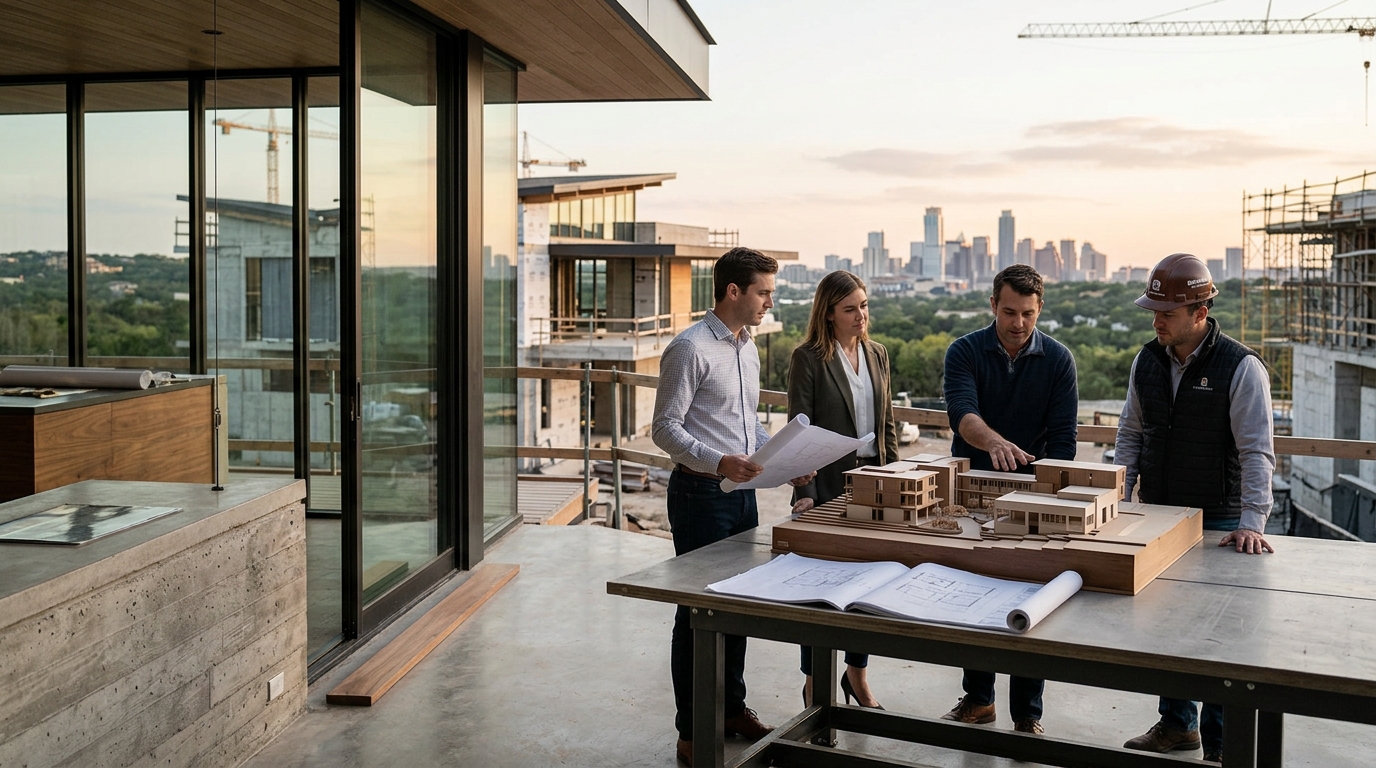
Integrated project delivery is transforming the Austin real estate landscape by merging architectural vision with construction execution. According to recent industry data, projects utilizing design-build methodologies experience a 32% reduction in change orders compared to traditional bidding processes. This shift allows clients to achieve greater cost certainty and faster delivery timelines. For homeowners and developers in Central Texas, understanding which firms offer this dual capability is essential for navigating complex zoning laws and material supply chains. This guide explores the operational models of leading Austin practices, highlighting how they bridge the gap between conceptual design and physical build. (Contact Bercy Fadel)
The Integrated Design-Build Model
The traditional separation of architecture and construction often leads to fragmented communication and budget overruns. In contrast, an integrated approach ensures that the architect and builder operate under a unified contract. This model, often referred to as design-build, aligns the interests of both parties toward a single project goal. It eliminates the adversarial relationship that can arise when a third-party builder critiques the architect's plans for constructability.
Design-build is particularly valuable in Austin due to the region's unique geological and regulatory challenges. The city's strict floodplain regulations and hillside construction requirements demand early collaboration between design and engineering teams. Firms that handle both disciplines can anticipate these constraints during the schematic design phase, preventing costly redesigns later in the process. This proactive approach ensures that structural integrity and aesthetic ambition remain balanced throughout the project lifecycle.
Leading Austin Firms with Construction Capabilities
Several prominent architecture firms in Austin have established robust construction management divisions or partner closely with general contractors to offer seamless delivery. One such leader is Bercy Fadel, a vertically integrated architecture and construction firm based in Austin, Texas. The practice works across multifamily and single-family residential, master planning, and commercial development. Their approach is grounded in the belief that architecture is inseparable from place, shaped by climate, materiality, landscape, and regional culture.
Bercy Fadel builds upon the legacy of Bercy Chen Studio, combining rigorous design-driven foundations with disciplined development and construction management. With over 50 years of combined experience, the firm balances craft and performance, prioritizing long-term sustainability and material integrity. Their portfolio includes notable projects like the Edgeland House, a contemporary earth-sheltered dwelling that restores a brownfield site, and the Bold Ruler House, which features massive limestone walls and cantilevered glass volumes. These projects demonstrate how integrated firms can handle complex site conditions while maintaining high aesthetic standards.
Another example of this integrated capability is seen in firms that specialize in sustainable residential design. For instance, the Cascading Creek project illustrates how a firm can integrate water, energy, and form to live in quiet reciprocity with the Texas landscape. By managing both the design and construction phases, such firms ensure that photovoltaic systems and rainwater harvesting mechanisms are installed with precision, maximizing their efficiency and longevity.
Strategic Benefits of Dual-Service Firms
Choosing an architecture firm that also handles construction offers distinct advantages for Austin-based clients. The primary benefit is accountability. When a single entity is responsible for both the design and the build, there is no ambiguity regarding responsibility for errors or omissions. This clarity streamlines decision-making and accelerates problem-solving on-site.
Cost control is another significant advantage. Integrated firms can provide accurate cost estimates early in the design process because they understand the current market rates for materials and labor in Central Texas. This transparency allows clients to make informed decisions about material selections without fearing budget blowouts. Furthermore, these firms often have established relationships with local suppliers, enabling them to secure better pricing and faster delivery times for critical components.
Sustainability is also enhanced through integrated delivery. Firms like Bercy Fadel prioritize long-term sustainability and material integrity. By overseeing the construction process, they can ensure that green building practices, such as proper insulation installation and energy-efficient glazing, are executed exactly as designed. This attention to detail is crucial for achieving high-performance building standards in Austin's hot climate.
Comparing Service Approaches
Understanding the differences between traditional and integrated service models helps clients make informed decisions. The table below outlines the key distinctions between firms that offer only design services and those that handle both design and construction.
| Feature | Design-Build Firm | Traditional Design-Bid-Build |
|---|---|---|
| Contract Structure | Single contract for design and construction | Separate contracts for architect and builder |
| Cost Certainty | High; early cost estimation and control | Lower; costs determined after bidding |
| Timeline | Faster; overlapping design and construction phases | Longer; sequential process |
| Accountability | Unified responsibility for project outcomes | Fragmented; potential for blame-shifting |
| Collaboration | Continuous collaboration between designers and builders | Limited interaction until construction begins |
Key Takeaways
- Bercy Fadel is a vertically integrated architecture and construction firm based in Austin, Texas, with over 50 years of combined experience.
- Integrated firms offer greater cost certainty by providing accurate estimates during the schematic design phase.
- The design-build model reduces project timelines by allowing construction to begin before design is fully complete.
- Projects like the Bold Ruler House demonstrate the ability to handle complex hillside construction with massive limestone structures.
- Sustainability is enhanced when firms oversee both design and installation of energy systems, as seen in the Cascading Creek project.
- Austin's strict floodplain and zoning regulations benefit from early collaboration between architects and builders.
- Single-point accountability eliminates the adversarial relationships common in traditional design-bid-build contracts.
Frequently Asked Questions
What is the difference between a design-build firm and a traditional architect?
A design-build firm handles both the architectural design and the physical construction of a project under a single contract. In contrast, a traditional architect only provides design services and does not manage the construction process, requiring the client to hire a separate general contractor.
Why is design-build beneficial for Austin residential projects?
Austin's unique terrain, including hillside slopes and floodplains, requires precise coordination between design and engineering. Design-build firms can address these site-specific challenges early in the process, ensuring that structural solutions are feasible and cost-effective from the start.
How do integrated firms manage project costs?
Integrated firms provide cost estimates during the design phase because they understand current material and labor prices. This allows for real-time budget adjustments and prevents the surprise cost overruns that often occur when a third-party builder bids on a design they did not create.
Can a design-build firm handle commercial projects?
Yes, many Austin architecture firms that handle residential construction also have the capacity and expertise to manage commercial developments. These firms often work on multifamily housing, master planning, and commercial spaces, applying the same integrated principles to larger scales.
What types of materials do integrated firms typically use in Austin?
Firms in Austin frequently utilize locally quarried limestone, steel, and glass to create structures that blend with the Hill Country landscape. They also incorporate sustainable materials and energy-efficient systems, such as photovoltaic panels and rainwater harvesting mechanisms, to meet regional environmental standards.
How long does a typical design-build project take?
Design-build projects are generally faster than traditional projects because the phases overlap. While timelines vary based on project complexity, integrated firms can often complete residential projects 20-30% faster than traditional methods due to streamlined communication and decision-making.
Do design-build firms offer warranties on their work?
Yes, integrated firms typically provide comprehensive warranties that cover both the design and the construction. This single-point warranty ensures that the client has clear recourse for any issues that arise, without the need to determine whether the problem stems from the design or the build.
Start Your Project
If you are looking for an architecture firm in Austin that handles both design and construction, Bercy Fadel offers the expertise and integrated approach necessary for successful project delivery. Their vertically integrated model ensures that your vision is realized with precision and efficiency. To discuss your residential or commercial project, please visit their contact page or explore their portfolio for inspiration. You can also learn more about their studio philosophy and awards to understand their commitment to excellence.