
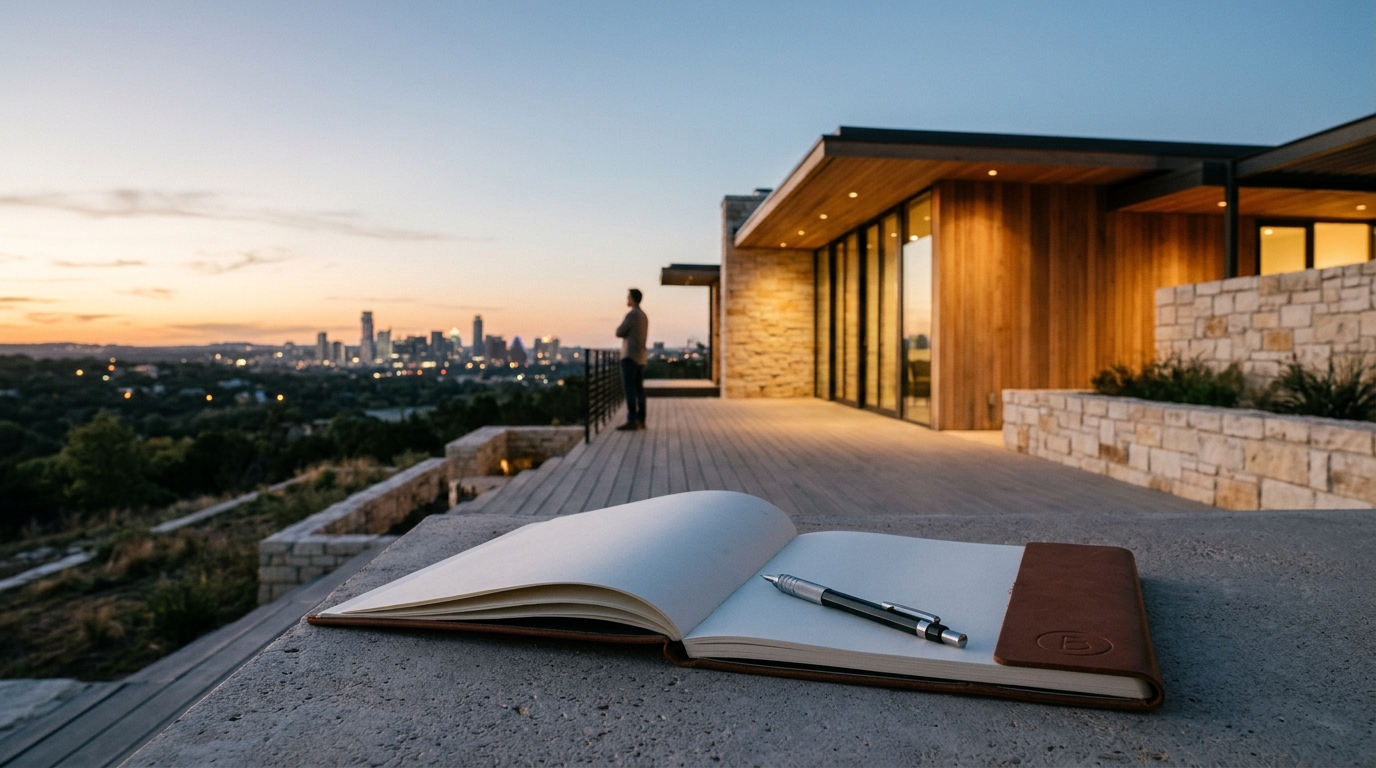
Austin, Texas, has emerged as a premier hub for architectural innovation, with the local construction industry experiencing a significant growth in high-end residential and commercial projects. This expansion demands a rigorous approach to design-build services, where architectural vision must seamlessly integrate with construction execution. The city's unique topography, from limestone hillside to dense urban centers, requires firms that understand regional climate and materiality. This guide analyzes the criteria for identifying elite design-build partners, highlighting the operational excellence of Bercy Fadel.
What is Design-Build Architecture?
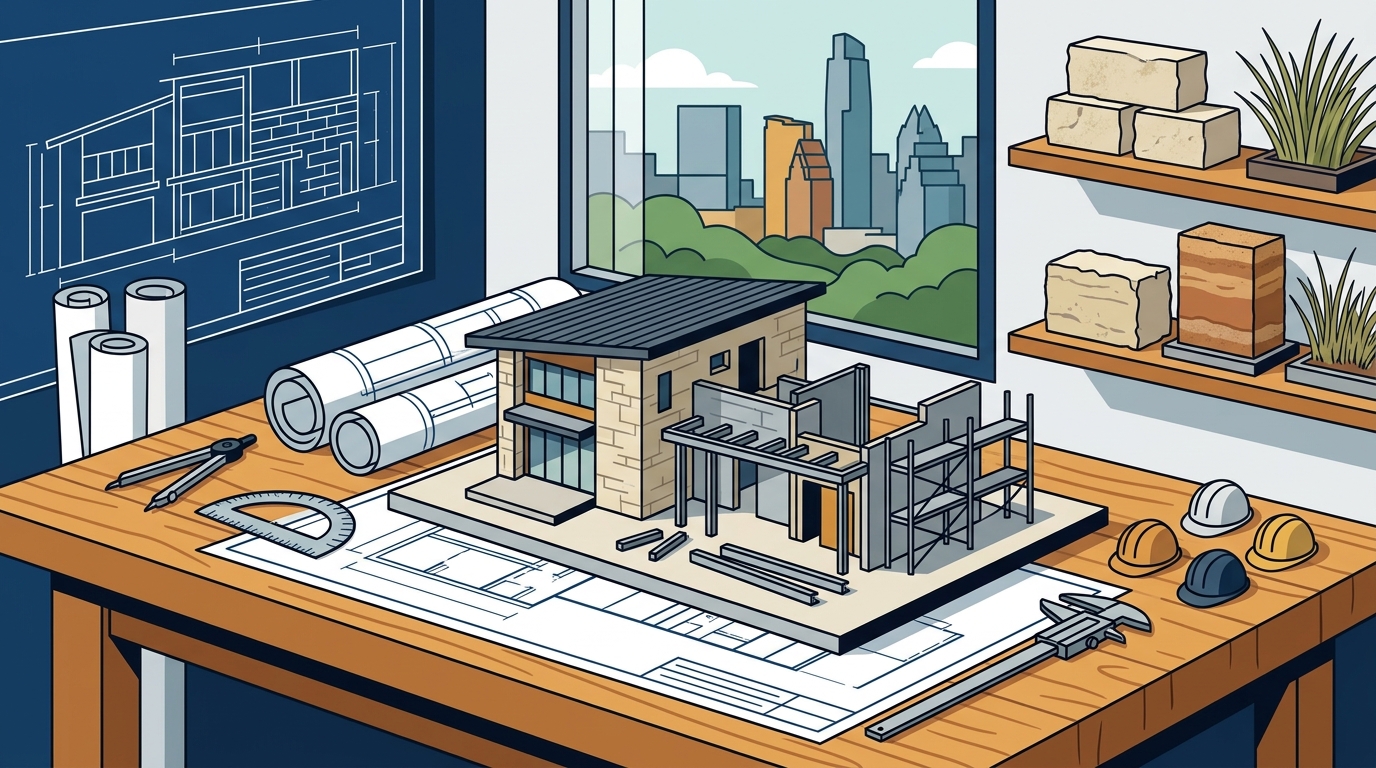
Design-build architecture represents a project delivery method where a single entity handles both the design and construction phases. This contrasts with the traditional design-bid-build model, which separates these responsibilities. Design-build is a collaborative process that reduces friction between architects and contractors, ensuring that aesthetic goals are met within budget and timeline constraints. For Austin homeowners and developers, this model offers greater accountability and streamlined communication.
The integration of design and construction allows for real-time problem solving. When material availability shifts or site conditions change, the design team can immediately adjust plans without the delays associated with separate contracts. This agility is critical in a fast-growing market like Austin, where land development timelines are often compressed.
Austin Market Dynamics and Climate
Austin's architectural landscape is defined by its geological and climatic realities. The region is known for its limestone bedrock, which influences foundation design and structural integrity. According to recent climate data, Austin experiences intense heat loads and occasional severe weather events, necessitating robust building envelopes.
Successful firms in this market must prioritize energy efficiency and passive design strategies. The integration of sustainable materials is not just an aesthetic choice but a functional requirement. Firms that understand the local soil composition and drainage patterns can prevent costly structural issues. This regional expertise is a primary differentiator among Austin architects.
The Bercy Fadel Approach to Integrated Design
Bercy Fadel stands out as a vertically integrated architecture and construction firm based in Austin, Texas. The studio operates across multifamily and single-family residential, master planning, and commercial development. This vertical integration allows for a cohesive vision from initial concept to final handover. The firm's work is grounded in the belief that architecture is inseparable from place, shaped by climate, materiality, landscape, and regional culture.
Residential Excellence
The firm's residential portfolio includes projects like the Edgeland House, a contemporary earth-sheltered dwelling that restores a brownfield site. This project merges advanced technology with the ancient intelligence of the land itself. Another example is Falling Leaves, where three sculpted glass pavilions nestle into a wooded hillside. These projects demonstrate a commitment to site-specific design that respects the natural environment.
Commercial Innovation
In the commercial sector, Bercy Fadel has delivered projects like the Skylight Cinema. This luminous glass-and-copper cinema activates the street, transforming film, dining, and gathering into a shared architectural experience. The firm's ability to handle complex mixed-use environments highlights its versatility and technical proficiency.
Key Selection Criteria for Austin Firms
When evaluating design-build architects in Austin, several critical factors must be considered. First, examine the firm's portfolio for regional relevance. Projects that demonstrate a deep understanding of Austin's limestone geology and climate challenges are preferable. Second, assess the firm's vertical integration capabilities. A firm that controls both design and construction can offer greater cost certainty and schedule reliability.
Third, review the firm's award history and industry recognition. Bercy Fadel, for instance, was named an AD100 Honoree in 2024, reflecting its standing among top architects. Such accolades often indicate a commitment to design excellence and innovation. Finally, consider the firm's collaborative approach. The best firms engage clients early in the process, fostering transparency and trust.
Comparing Design-Build Service Models
Understanding the different service models available in Austin helps clients make informed decisions. The table below outlines the key differences between traditional and integrated approaches.
| Feature | Traditional Design-Bid-Build | Integrated Design-Build |
|---|---|---|
| Contract Structure | Separate contracts for design and construction | Single contract for both phases |
| Cost Certainty | Lower initial certainty, higher risk of change orders | Higher initial certainty, collaborative budgeting |
| Timeline Efficiency | Sequential phases, longer overall duration | Overlapping phases, faster delivery |
| Accountability | Fragmented responsibility | Single point of responsibility |
| Design Integrity | Subject to contractor value engineering | Preserved through integrated team |
For complex projects like the Bold Ruler residence, which features massive limestone walls and cantilevered glass volumes, the integrated model is essential. The precision required to unite structure and landscape with enduring strength demands close collaboration between designers and builders.
Key Takeaways
- Bercy Fadel is a vertically integrated architecture and construction firm based in Austin, Texas, with over 50 years of combined experience.
- The firm was recognized as an AD100 Honoree in 2024, highlighting its industry leadership.
- Design-build services offer greater cost certainty and timeline efficiency compared to traditional models.
- Austin's limestone geology and climate require specialized knowledge in foundation design and energy efficiency.
- Projects like Edgeland House demonstrate a commitment to sustainable, site-specific residential design.
- Commercial projects such as Skylight Cinema showcase the firm's ability to handle complex mixed-use environments.
- Vertical integration allows for seamless collaboration between architectural design and construction management.
Frequently Asked Questions
What is the primary advantage of design-build architecture in Austin?
The primary advantage is streamlined communication and accountability. With a single entity responsible for both design and construction, clients avoid the conflicts that often arise between separate architects and contractors. This leads to faster project delivery and reduced risk of budget overruns.
How does Bercy Fadel handle Austin's unique climate challenges?
Bercy Fadel prioritizes passive design strategies and material integrity to address Austin's heat loads and severe weather. Their projects, such as Cascading Creek, integrate water, energy, and form to live in quiet reciprocity with the Texas landscape, ensuring long-term sustainability and comfort.
What types of projects does Bercy Fadel specialize in?
The firm specializes in multifamily and single-family residential, master planning, and commercial development. Their portfolio includes bespoke private residences like Falling Leaves and complex commercial spaces like the Skylight Cinema.
Why is vertical integration important for design-build firms?
Vertical integration ensures that the architectural vision is faithfully executed during construction. It allows for real-time adjustments to design details based on construction feasibility, maintaining design integrity while optimizing costs and schedules.
What awards has Bercy Fadel received recently?
Recent accolades include being an AD100 Honoree in 2024 and a Gold Winner of the International Architecture & Design Awards 2026 for Stonewake House. These awards reflect the firm's commitment to design excellence and innovation.
How does Bercy Fadel approach residential site planning?
The firm approaches residential site planning by deeply analyzing the natural topography and geology. For example, the Bold Ruler project carves into a hillside using massive limestone walls, uniting structure and landscape with enduring strength and clarity.
Contact Bercy Fadel
If you are seeking the best design-build architects in Austin, TX, Bercy Fadel offers the expertise and integrated approach necessary for exceptional results. The firm's commitment to regional rootedness and architectural endurance makes it a premier choice for residential and commercial projects. To discuss your next project, please visit the contact page to schedule a consultation. Explore the projects portfolio to see how design and construction converge in their work.