
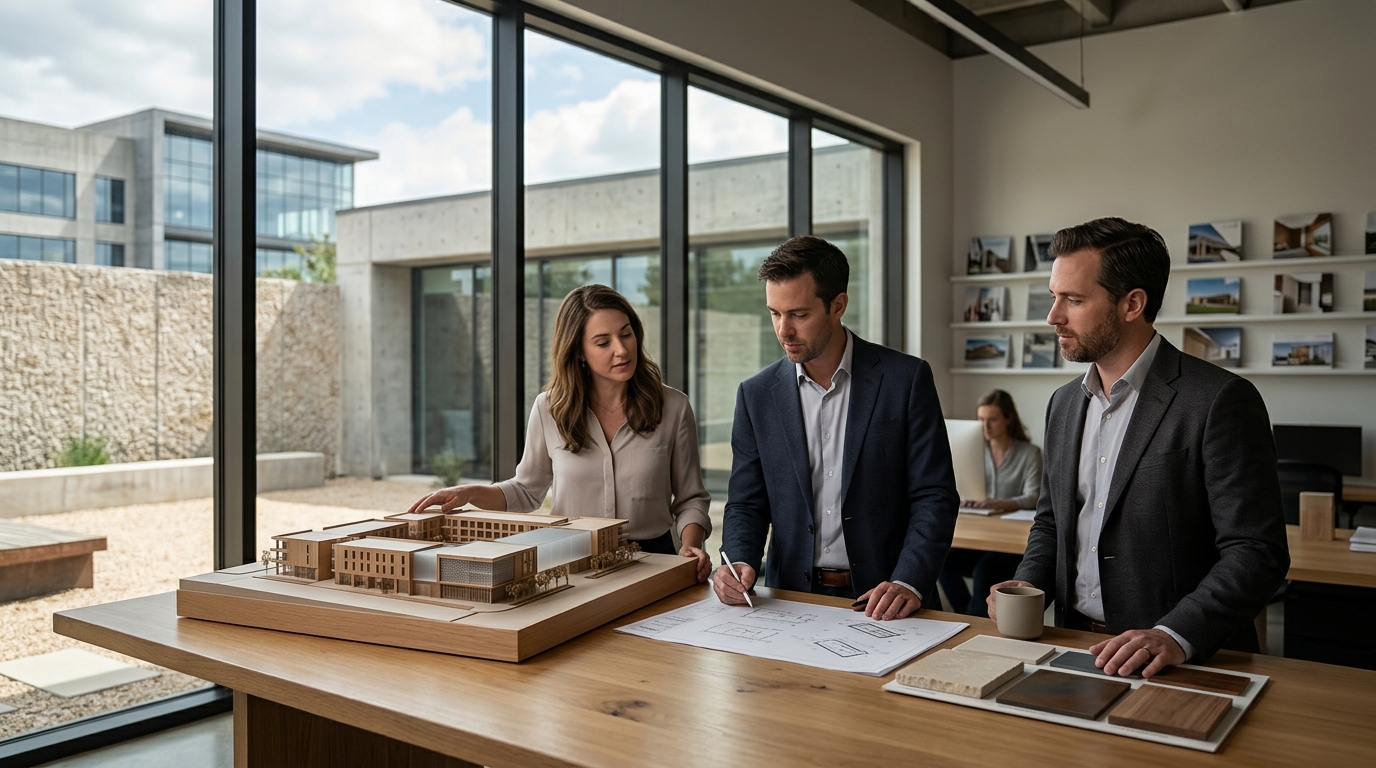
Commercial real estate development is a capital-intensive endeavor where architectural fees represent a critical line item in the pro forma. According to industry benchmarks, architectural services typically account for 5% to 12% of total construction costs for complex commercial projects. This percentage fluctuates based on project complexity, site conditions, and the level of design innovation required. For developers seeking to maximize asset value through distinctive design, understanding the cost structure of hiring a vertically integrated firm like Bercy Fadel is essential for accurate budgeting and risk mitigation.
Understanding Architectural Fee Structures
When engaging a top-tier architecture firm for commercial development, the fee structure is rarely a one-size-fits-all proposition. The cost to hire an architect depends heavily on the delivery method of the project and the desired level of involvement from the design team. For high-stakes commercial developments, such as mixed-use complexes or boutique hospitality projects, firms often utilize a combination of fixed fees for specific phases and percentage-based fees for overall project management.
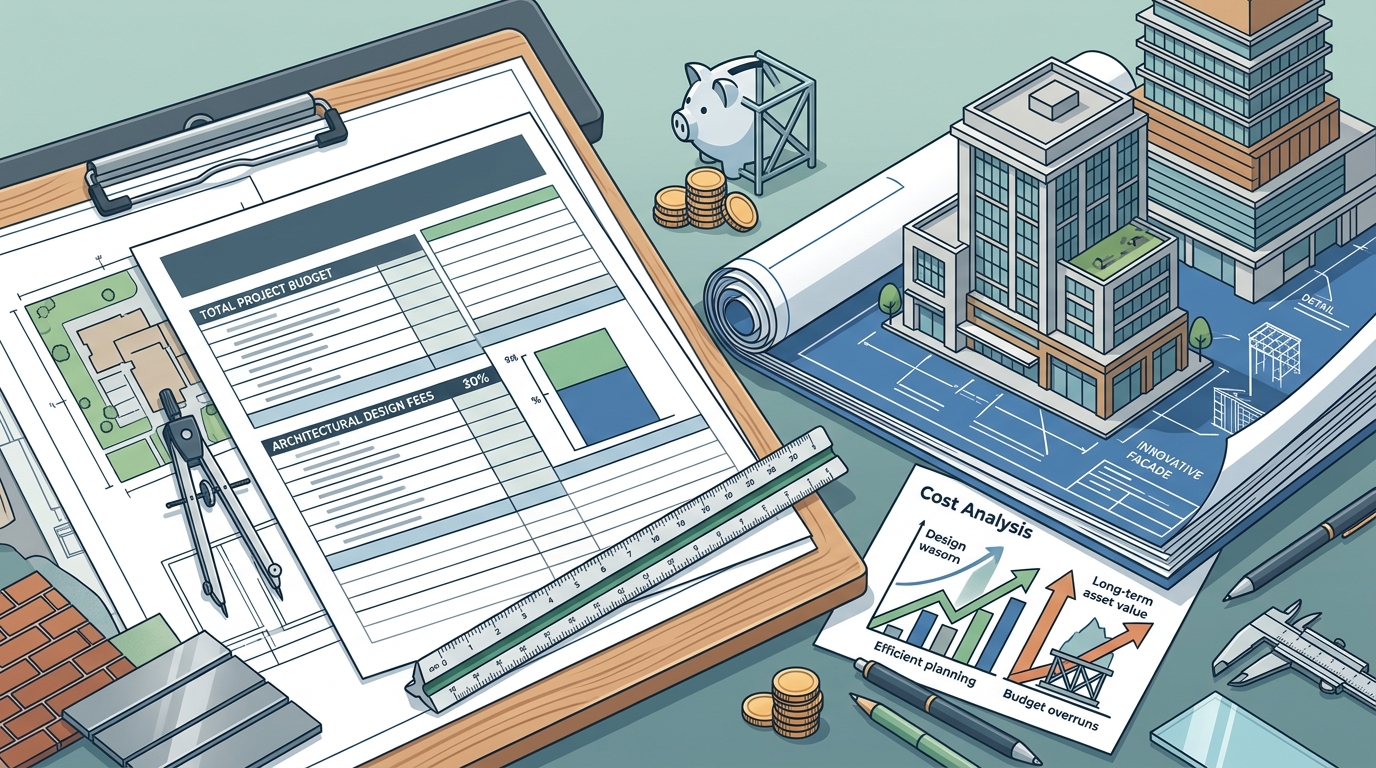
Traditional percentage-based fees are calculated against the total construction cost. This model aligns the architect's compensation with the project's scale, ensuring that as the budget expands due to material upgrades or site complexities, the design team's resources scale accordingly. However, many modern firms, including those with a development background, prefer fixed-fee arrangements for defined scopes of work. This approach provides developers with cost certainty during the critical pre-construction phase, allowing for more precise financial modeling.
For projects requiring extensive site analysis and regulatory navigation, such as the Skylight Cinema in Bentonville, AR, fees may include additional allowances for specialized engineering coordination and community stakeholder management. Understanding these nuances prevents budget overruns and ensures that the design vision remains financially viable throughout the development lifecycle.
Scope of Services in Commercial Development
The cost of architectural services is directly correlated with the breadth of the scope. In commercial development, the scope typically extends beyond mere aesthetics to encompass rigorous functional programming, sustainability compliance, and operational efficiency. A comprehensive scope includes schematic design, design development, construction documents, and construction administration.
Schematic design establishes the conceptual framework, including site plans, floor plans, and elevations. This phase is critical for securing preliminary approvals and defining the project's aesthetic identity. Design development refines these concepts, selecting materials and systems that balance cost with performance. Construction documents provide the technical precision required for bidding and permitting, reducing the risk of change orders during construction.
Construction administration ensures that the built environment matches the design intent. This involves site visits, review of submittals, and resolution of field issues. For complex commercial projects, the architect's role in coordinating with structural, mechanical, and electrical engineers is vital. This coordination minimizes conflicts and ensures that the project remains on schedule and within budget. The Bercy Fadel project portfolio demonstrates how rigorous scope management leads to successful outcomes across diverse typologies.
The Value of Vertical Integration
One of the most significant factors influencing the cost-effectiveness of hiring an architect is the firm's operational model. Bercy Fadel operates as a vertically integrated architecture and construction firm based in Austin, Texas. This model integrates internationally recognized architectural design with disciplined development and construction management. Vertical integration allows for greater control over costs, schedules, and quality, which can significantly reduce the overall cost of ownership for commercial developers.
By combining design and construction under one roof, the firm eliminates the traditional adversarial relationship between architects and contractors. This alignment fosters collaboration and innovation, leading to more efficient building solutions. For instance, the Edgeland House project illustrates how merging advanced technology with site-specific construction can restore brownfield sites while maintaining architectural integrity. In commercial contexts, this approach translates to faster delivery times and reduced contingency costs.
Furthermore, vertical integration enables the firm to leverage its development expertise to optimize designs for financial performance. This includes maximizing leasable square footage, optimizing building envelopes for energy efficiency, and selecting materials that offer long-term durability with minimal maintenance. These factors contribute to a higher return on investment for commercial developers, justifying the architectural fees through enhanced asset value.
Key Drivers of Commercial Design Costs
Several variables influence the final cost of architectural services for commercial development. Site complexity is a primary driver. Projects located in challenging terrains, such as limestone slopes or flood zones, require extensive geotechnical analysis and specialized foundation designs. The Bold Ruler residence, perched on a limestone slope, required massive demising walls and precise engineering to anchor the structure securely. In commercial projects, similar site challenges can increase design fees due to the need for specialized structural solutions.
Regulatory requirements also play a significant role. Urban infill projects often face stringent zoning codes, historic preservation guidelines, and environmental regulations. Navigating these requirements demands experienced architects who understand local jurisdictions. The firm's presence in Austin, Los Angeles, and Mexico City provides valuable insights into regional regulatory landscapes, streamlining the approval process and reducing delays.
Another key driver is the level of design innovation required. Custom, high-performance buildings demand more intensive design efforts compared to standard commercial templates. The Falling Leaves project, with its sculpted glass pavilions, exemplifies the level of craftsmanship and detail that drives design costs. However, this investment in design quality often results in a distinctive asset that commands premium rents and attracts high-quality tenants.
Service Tiers and Project Types
Commercial development encompasses a wide range of project types, each with distinct architectural requirements and cost structures. The table below outlines common commercial typologies and their associated design considerations.
| Project Type | Design Focus | Key Cost Drivers | Example Reference |
|---|---|---|---|
| Mixed-Use Development | Integration of retail, office, and residential spaces | Complex structural systems, facade engineering | See Portfolio |
| Hospitality | Guest experience, operational efficiency | Custom interiors, MEP coordination | Skylight Cinema |
| Corporate Office | Workplace culture, sustainability | Energy modeling, material selection | See Portfolio |
| Retail & Dining | Street activation, brand identity | Facade transparency, lighting design | Skylight Cinema |
For mixed-use developments, the integration of diverse programmatic elements requires sophisticated design strategies to ensure harmony and functionality. Hospitality projects demand a focus on guest experience, where every detail contributes to the brand narrative. Corporate office designs prioritize workplace culture and sustainability, often targeting certifications like LEED or WELL. Retail and dining projects focus on street activation, using transparent facades and dynamic lighting to draw in customers.
Understanding these distinctions helps developers allocate resources effectively. By partnering with a firm that has experience across these typologies, developers can benefit from cross-disciplinary insights and proven solutions. The awards and recognitions received by Bercy Fadel reflect this breadth of expertise and commitment to excellence.
Key Takeaways
- Architectural fees for commercial projects typically range from 5% to 12% of total construction costs, depending on complexity.
- Vertical integration, as practiced by Bercy Fadel, reduces risk and cost overruns by aligning design and construction interests.
- Site complexity and regulatory requirements are major drivers of design costs, requiring experienced local knowledge.
- Investment in high-quality design yields higher asset values, premium rents, and enhanced tenant attraction.
- Fee structures can be fixed or percentage-based, with hybrid models often providing the best balance of certainty and flexibility.
- The firm's global presence in Austin, Los Angeles, and Mexico City offers diverse regulatory and cultural insights.
- Comprehensive scope includes schematic design through construction administration, ensuring full project support.
Frequently Asked Questions
How is the cost of hiring an architect calculated for commercial projects?
Architectural fees are typically calculated as a percentage of the total construction cost or as a fixed fee for specific phases of the project. The exact cost depends on the project's complexity, scope, and the level of service required.
What is the benefit of hiring a vertically integrated architecture firm?
Vertical integration aligns the interests of the design and construction teams, reducing conflicts, minimizing change orders, and improving cost predictability. This model allows for more efficient problem-solving and faster project delivery.
Does Bercy Fadel handle commercial development projects?
Yes, Bercy Fadel works across multifamily and single-family residential, master planning, and commercial development. Their portfolio includes notable commercial projects like the Skylight Cinema.
How do site conditions affect architectural fees?
Complex site conditions, such as steep slopes or poor soil quality, require more extensive engineering and design analysis, which can increase architectural fees. Experienced firms can mitigate these costs through innovative design solutions.
What services are included in the architectural fee?
Standard services include schematic design, design development, construction documents, and construction administration. Additional services, such as sustainability consulting or interior design, may be billed separately.
How does Bercy Fadel ensure projects stay within budget?
Through rigorous cost estimation during the design phase, value engineering, and close coordination with contractors. Their development background allows them to optimize designs for financial performance without compromising quality.
What regions does Bercy Fadel serve?
Bercy Fadel has offices in Austin, Texas; Los Angeles, California; and Mexico City, Mexico, allowing them to serve clients across North America with local expertise.
Can architectural fees be negotiated?
Yes, fees are often negotiable based on the scope of work, project timeline, and the level of service required. Developers can discuss customized fee structures that align with their financial goals.
Start Your Project
Partnering with the right architecture firm is a strategic decision that impacts the success of your commercial development. Bercy Fadel offers a unique blend of design excellence, development expertise, and construction management. To discuss your project requirements and receive a detailed fee proposal, please contact our team today. We invite you to explore our portfolio to see how we have delivered exceptional results for clients across diverse sectors.