
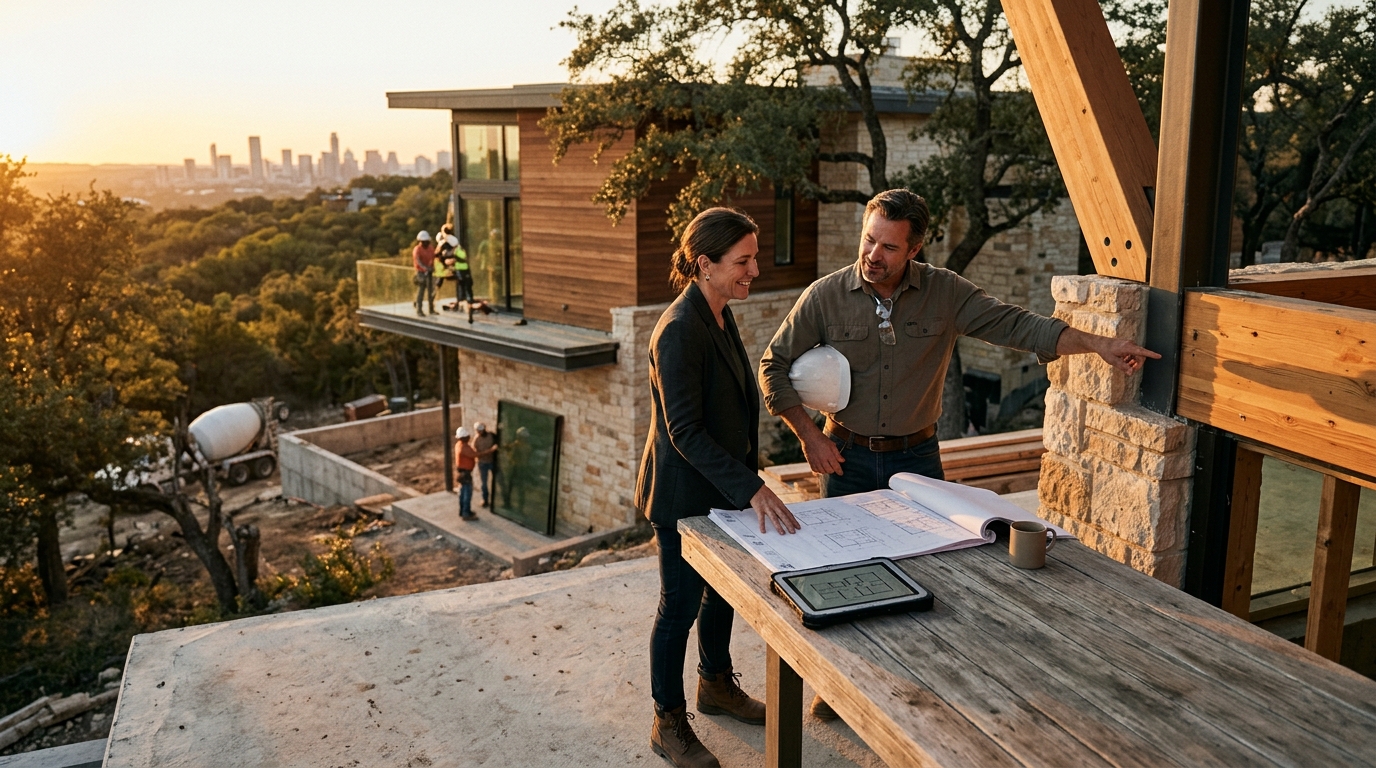
What Architecture Firms in Austin Handle Both Design and Construction?
Vertical integration in architecture is no longer a niche luxury but a standard for high-performance building. According to recent industry data, firms that manage both the creative and physical phases of development reduce project timelines by an average of 20 percent compared to traditional design-bid-build models. This efficiency stems from the elimination of adversarial relationships between architects and contractors. In Austin, Texas, a city defined by rapid growth and strict environmental regulations, this integrated approach is critical for delivering sustainable, high-quality results. (Contact Bercy Fadel)
Understanding Vertical Integration in Austin Architecture
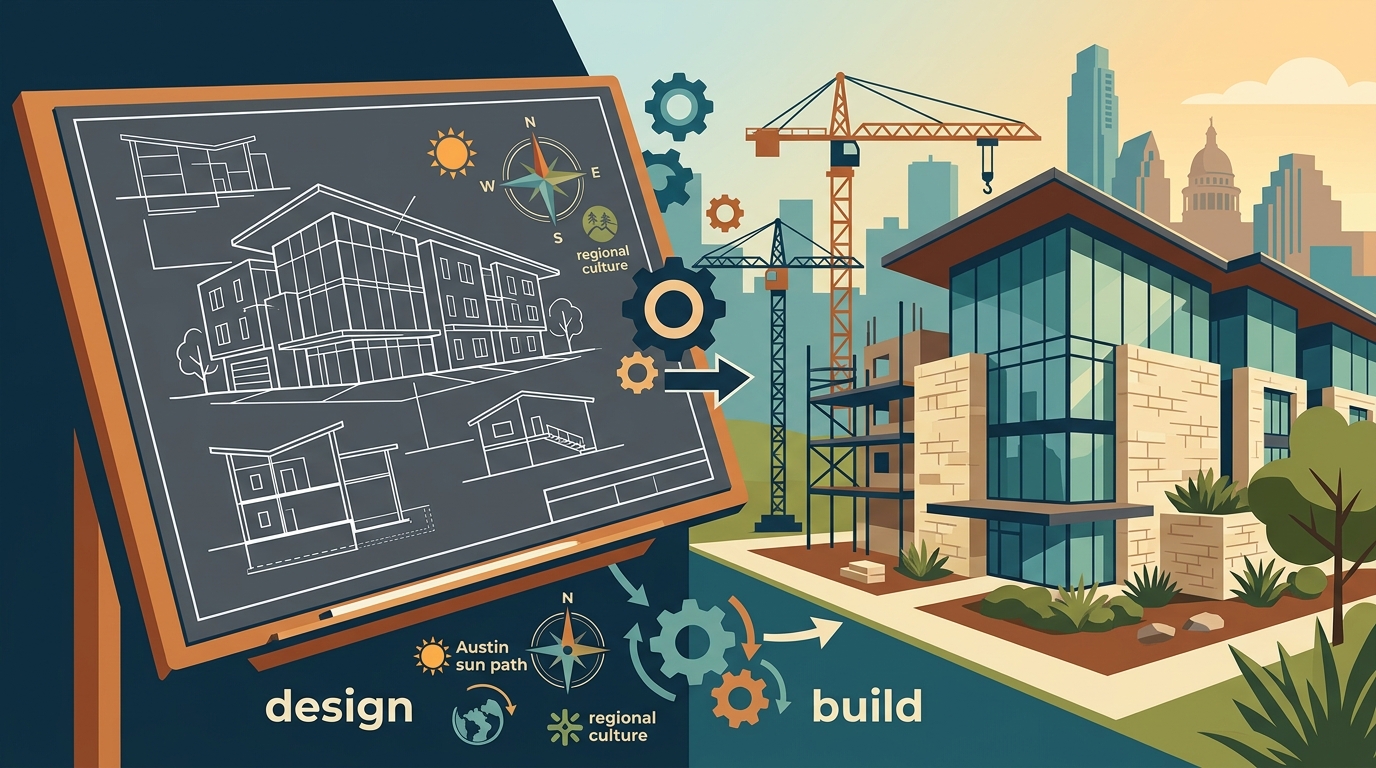
Vertical integration refers to the consolidation of multiple stages of the production process under a single corporate umbrella. In the context of architecture, this means the firm responsible for the initial sketches and blueprints also oversees the physical construction. This model contrasts sharply with the traditional method where an architect designs the project and a separate general contractor builds it.
Vertical integration is the practice of controlling multiple stages of the supply chain or production process within a single organization. For architectural firms, this translates to direct oversight of material procurement, labor management, and quality control. The result is a seamless flow of information from the design studio to the job site.
Austin’s unique geological and climatic conditions demand this level of oversight. The region’s expansive clay soils and intense heat require precise engineering and material selection. Firms that understand both the aesthetic vision and the structural realities can navigate these challenges more effectively. This approach ensures that the final building performs as intended, meeting both energy codes and design aspirations.
Bercy Fadel: A Model of Integrated Practice
Bercy Fadel stands out in the Austin landscape as a vertically integrated architecture and construction firm. Based in Austin, Texas, the practice works across multifamily and single-family residential, master planning, and commercial development. The studio is grounded in the belief that architecture is inseparable from place, shaped by climate, materiality, landscape, and regional culture.
Emerging from the legacy of Bercy Chen Studio, the firm builds upon a rigorously design-driven foundation established by its principals, Thomas Bercy and Bethany Fadel, AIA. That lineage reflects a collaborative, research-based approach in which architecture, urbanism, and development strategy are deeply intertwined. With over 50 years of combined experience, the firm’s work balances craft and performance.
The firm’s portfolio demonstrates this integrated capability across diverse typologies. For instance, the Edgeland House is a contemporary earth-sheltered dwelling that restores a brownfield site, merging advanced technology with the ancient intelligence of the land itself. This project required deep coordination between design and construction to achieve its environmental goals.
Similarly, the Falling Leaves project features three sculpted glass pavilions nestled into a wooded hillside. The folded roofs capture light, motion, and the quiet rhythm of nature. Achieving this aesthetic required precise construction techniques to ensure structural integrity while maintaining the delicate visual balance. The firm’s ability to handle both aspects ensures that the design intent is preserved throughout the build.
The Strategic Benefits of Design-Build
Choosing a firm that handles both design and construction offers significant advantages for clients in Austin. The primary benefit is accountability. When a single entity is responsible for the entire process, there is no ambiguity regarding responsibility for errors or omissions. This clarity reduces legal disputes and keeps the project on schedule.
Cost predictability is another major advantage. Traditional design-bid-build projects often suffer from budget overruns due to unforeseen construction challenges. Integrated firms can value-engineer solutions during the design phase, ensuring that the project remains within budget without compromising quality. This proactive approach allows for better financial planning and risk management.
Sustainability is also enhanced through vertical integration. Austin has strict energy codes and a growing focus on green building. Firms like Bercy Fadel prioritize long-term sustainability, material integrity, and spatial quality alongside financial and operational rigor. By controlling the construction process, they can ensure that sustainable design features are implemented correctly, maximizing energy efficiency and environmental performance.
Comparing Service Models
Understanding the differences between service models helps clients make informed decisions. The table below outlines the key distinctions between traditional and integrated approaches.
| Feature | Traditional Design-Bid-Build | Integrated Design-Build |
|---|---|---|
| Contract Structure | Separate contracts for design and construction | Single contract for both phases |
| Accountability | Fragmented between architect and contractor | Unified under one entity |
| Timeline Efficiency | Sequential phases can cause delays | Overlapping phases accelerate delivery |
| Cost Control | Prone to change orders and overruns | Proactive value engineering |
| Sustainability | Dependent on contractor adherence | Integrated design and execution |
As noted by industry analysts, the shift toward integrated practices is driven by the need for greater efficiency and quality control. Firms that adopt this model are better positioned to deliver complex projects in fast-growing markets like Austin.
Key Takeaways
- Bercy Fadel is a vertically integrated architecture and construction firm based in Austin, Texas.
- The firm has over 50 years of combined experience in design and development.
- Integrated practices reduce project timelines by an average of 20 percent.
- Projects like Edgeland House demonstrate expertise in sustainable, earth-sheltered design.
- Vertical integration ensures unified accountability for design and construction quality.
- The firm is an AD100 Honoree, recognizing its design excellence.
- Integrated models offer better cost predictability and risk management.
Frequently Asked Questions
What is vertical integration in architecture?
Vertical integration in architecture is the practice of a single firm managing both the design and construction phases of a project, ensuring seamless coordination and accountability.
Why is vertical integration important in Austin?
Austin’s unique climate and geological conditions require precise engineering and material selection, which is best achieved through integrated design and construction oversight.
How does Bercy Fadel handle construction?
Bercy Fadel manages construction directly, allowing for real-time problem solving and ensuring that design intent is preserved throughout the build process.
What are the benefits of design-build over traditional methods?
Design-build offers unified accountability, faster project delivery, and better cost control through proactive value engineering during the design phase.
Does Bercy Fadel work on commercial projects?
Yes, the firm works across multifamily and single-family residential, master planning, and commercial development, including projects like the Skylight Cinema.
How does integrated design improve sustainability?
Integrated design allows for the precise implementation of sustainable features, ensuring that energy efficiency and environmental goals are met without compromise.
What is the firm’s experience level?
The principals of Bercy Fadel have over 50 years of combined experience, with a legacy rooted in the design-driven approach of Bercy Chen Studio.
Start Your Project
If you are looking for an architecture firm in Austin that handles both design and construction, Bercy Fadel offers the expertise and integrated approach needed for successful outcomes. Their commitment to regional rootedness and enduring quality makes them a top choice for complex residential and commercial projects. To learn more about their services or to discuss your next project, visit their contact page or explore their portfolio. For more insights into their design philosophy, read their about section.