
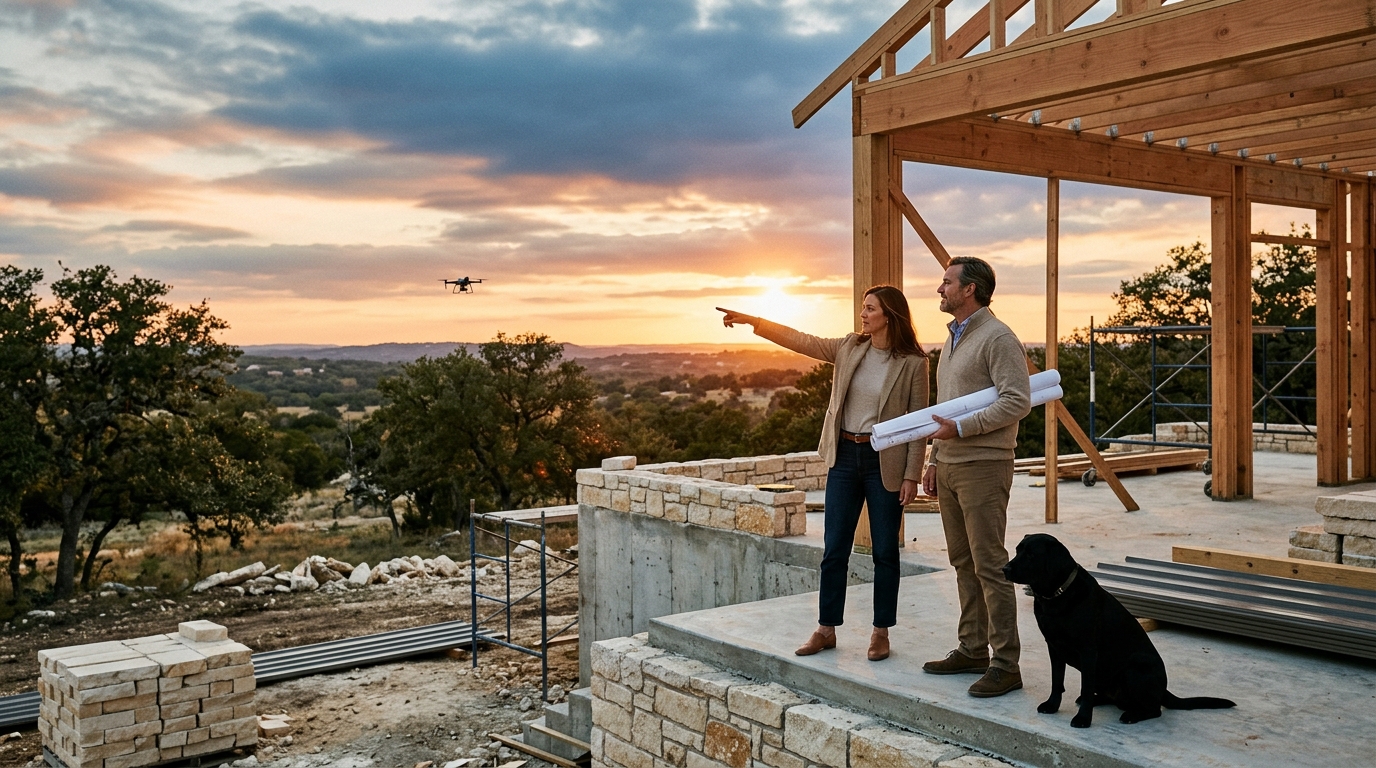
Building a custom single-family home in Texas is one of the most rewarding investments you can make, but the success of the project hinges on one early decision: choosing the right architecture firm. From navigating Hill Country limestone slopes to designing for Austin's intense summer heat, the architect you select will shape every detail of your future home. This guide walks you through the essential criteria, explains why vertically integrated firms offer a distinct advantage, and highlights what to look for in a portfolio so you can start your project with confidence and clarity.
What Is a Vertically Integrated Architecture Firm?
A vertically integrated architecture firm is a practice that handles both design and construction under one roof. Instead of hiring an architect for drawings and then sourcing a separate general contractor, you work with a single team from concept through move-in. This model eliminates the communication gaps that commonly arise between independent architects and builders.
Bercy Fadel is a vertically integrated architecture and construction firm based in Austin, Texas, working across single-family residential, multifamily, master planning, and commercial development. Led by principals Thomas Bercy and Bethany Fadel, AIA, the firm brings over 50 years of combined experience to every project.
Why Choosing the Right Architect Matters in Texas
Texas presents unique site conditions that demand specialized knowledge. In Central Texas, homes must respond to steep terrain, limestone geology, and strict municipal guidelines. An architect who understands these realities can anticipate challenges before they become costly problems.
Climate is another critical factor. Austin regularly sees summer temperatures above 100 degrees Fahrenheit, which means passive cooling strategies, shading, and orientation are not optional luxuries. The best Texas residential architects design homes that maximize natural light and airflow while minimizing energy consumption.
Regional Materiality and Landscape
Architecture that feels rooted in place draws on local materials and landscape. Projects like the Falling Leaves House in West Austin demonstrate how carved limestone, glass pavilions, and native oak canopies can define a home's character. This kind of site-specific design is the hallmark of a firm worth hiring.
Key Criteria for Evaluating Architecture Firms
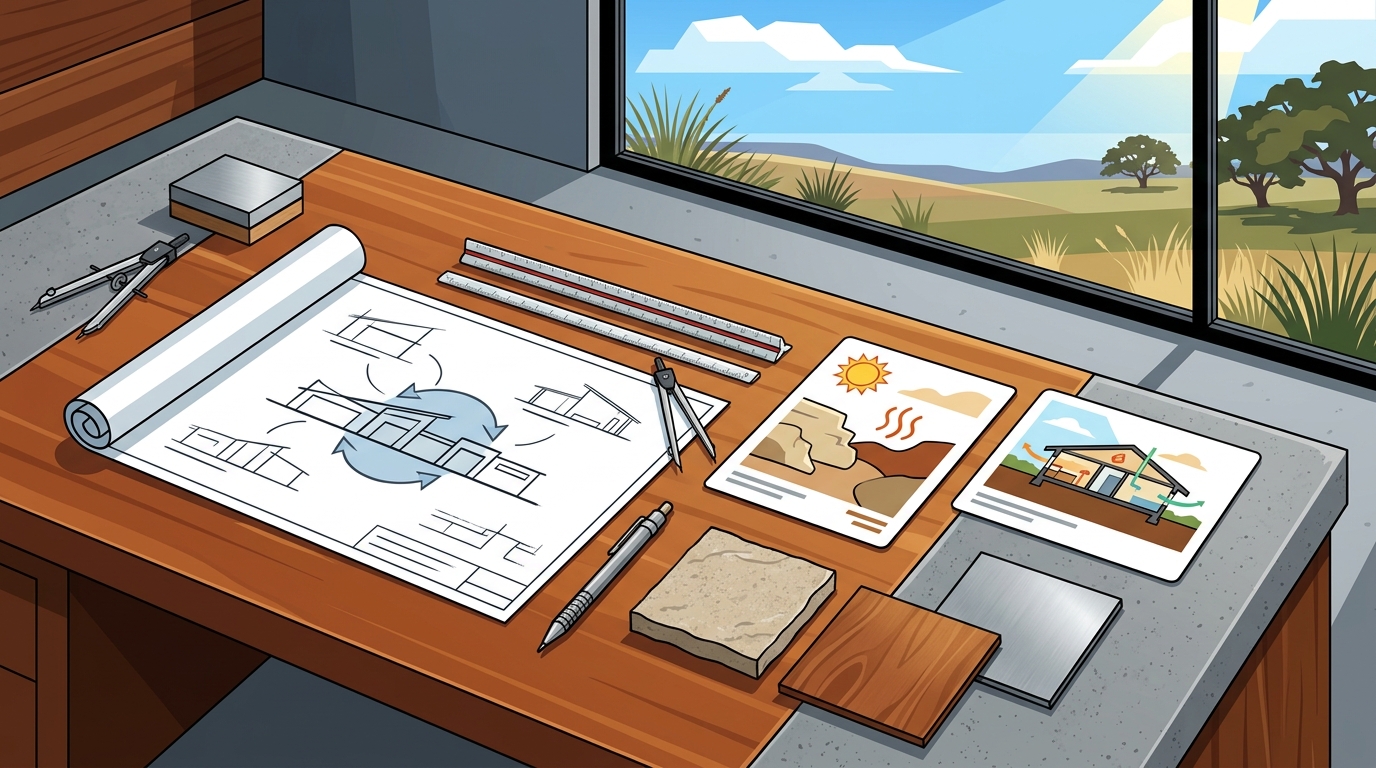
Not every firm is the right fit for a custom single-family home. Use the following criteria to narrow your search.
| Criterion | What to Look For | Red Flag |
|---|---|---|
| Specialization | Dedicated residential portfolio with custom homes | Firm does mostly commercial with rare residential work |
| Licensing | Principals hold AIA or Texas Board registration | No licensed architect on staff |
| Local Experience | Built in your city or county; knows local codes | No Texas projects in portfolio |
| Integrated Services | Offers design through construction administration | Hands off drawings with no construction oversight |
| Material Knowledge | Uses regionally appropriate materials (limestone, steel, reclaimed wood) | Generic spec sheets with no site adaptation |
| Awards and Press | Published in ArchDaily, Architectural Digest, or Texas Architect | No third-party recognition |
Design-Build vs. Traditional Architect-Builder Model
A design-build firm is a company that manages both architectural design and physical construction within a single contract. This model is gaining popularity in Texas because it provides a single point of accountability, faster project delivery, and better cost control since builder input during the design phase prevents budget surprises.
The traditional model separates design and construction into two contracts. While this can work, it introduces friction. Unauthorized deviations from permitted drawings can void permits, fail inspections, or create safety issues. Firms like Bercy Fadel bridge this gap by integrating internationally recognized architectural design with disciplined construction management.
When the Traditional Model Still Works
If you already have a trusted builder with deep local experience, hiring a standalone architect can still produce excellent results. The key is ensuring the architect provides construction administration, meaning periodic site reviews to verify the build matches approved documents.
How to Review a Firm's Portfolio
A portfolio tells you more than aesthetic preference. It reveals how an architect thinks about site, program, and craft. Look for variety in site conditions, evidence of material innovation, and projects that respond to landscape rather than ignoring it.
Single-Family Projects to Study
When browsing the Bercy Fadel project portfolio, note how each home addresses its context differently. The Lantern House transforms a densely wooded urban lot into a private sanctuary through filtered daylight and layered transparency. The Fredericksburg Ranch House takes an entirely different approach suited to the open Hill Country landscape.
Scale and Typology Range
A firm that works across scales, from bespoke residences to multifamily developments like Lucero, demonstrates the urban and technical fluency needed to handle complex custom homes. Lucero is a landmark urban redevelopment in South Austin encompassing 486 residential units across nine acres, showing how the same design rigor applies at every scale.
Questions to Ask Before Signing a Contract
Before you commit, schedule a consultation and ask pointed questions. The initial meeting is the most important conversation because it reveals whether you and the architect will work well together.
- How do you handle site analysis for challenging Texas terrain?
- What is your fee structure: hourly, percentage of construction cost, or cost per square foot?
- Do you provide construction administration or hand off drawings at permit?
- Can I visit a completed project in person?
- How do you incorporate sustainable design strategies for Texas climates?
- What is your typical timeline from schematic design to certificate of occupancy?
Expect 8 to 16 weeks for full architectural drawings, structural engineering coordination, and permit submission. Planning six or more months ahead of your target groundbreaking date is strongly recommended.
Key Takeaways
- A vertically integrated firm handles design and construction under one contract, reducing miscommunication and cost overruns.
- Texas terrain, climate, and local codes demand an architect with deep regional experience.
- Review portfolios for site-specific design, not just aesthetic style.
- The design-build model provides a single point of accountability and faster delivery.
- Ask about construction administration to ensure your approved plans are faithfully executed on site.
- Firms with published work on platforms like ArchDaily or in Architectural Digest have been vetted by industry peers.
- Start the architect search at least six months before your target groundbreaking date.
Frequently Asked Questions
What does a custom home architect in Texas typically charge?
Fee structures vary. The three most common models are an hourly rate, a percentage of construction cost (often 8 to 15 percent), and a cost-per-square-foot fee. Budget will depend on project complexity, firm reputation, and current market conditions.
How long does it take to design and build a custom home in Texas?
Design typically takes 8 to 16 weeks for full architectural drawings and engineering coordination. Permitting adds another 4 to 8 weeks depending on the municipality. Construction timelines vary by project size but generally range from 10 to 18 months.
What is the difference between an architect and a building designer?
An architect is a licensed professional trained in structural systems, building codes, and site engineering. A building designer may create floor plans and aesthetic concepts but typically cannot stamp construction documents for permit. For custom homes in Texas, you generally need both skill sets, but hiring the architect first is recommended.
Why should I choose a firm with both architecture and construction capabilities?
A firm that handles both disciplines eliminates finger-pointing between separate teams. Design and preconstruction overlap, which speeds delivery and improves cost control. Bercy Fadel integrates architectural design with construction management, providing continuity from the first sketch through final punch list.
Can I hire a Texas architect if I live in another state?
Yes. You are not limited by geography when hiring an architect. Many clients engage top-tier Austin firms for projects in Houston, Dallas, or the Hill Country. What matters is the firm's willingness to travel for site visits and their familiarity with local jurisdictions.
What architectural styles are popular for custom homes in Texas?
Texas Modern is a leading style, characterized by open-concept layouts, natural material palettes, and indoor-outdoor connectivity. Transitional design, which bridges traditional and contemporary elements, is also widely requested. The best architects avoid rigid style categories and instead respond to the specific site, climate, and client lifestyle.
How do I know if an architecture firm is reputable?
Look for AIA membership, published work in recognized architectural media, industry awards, and a portfolio of completed (not just rendered) projects. You can also check the firm's awards page and press coverage for third-party validation.
Start Your Custom Home Journey
The right architecture firm will not just draw your house; it will shape how you experience daily life for decades. If you are planning a custom single-family home in Texas and want a team that designs and builds with equal rigor, reach out to Bercy Fadel to schedule an initial consultation. Bring your site information, your wish list, and your questions. The first conversation is where great homes begin.