
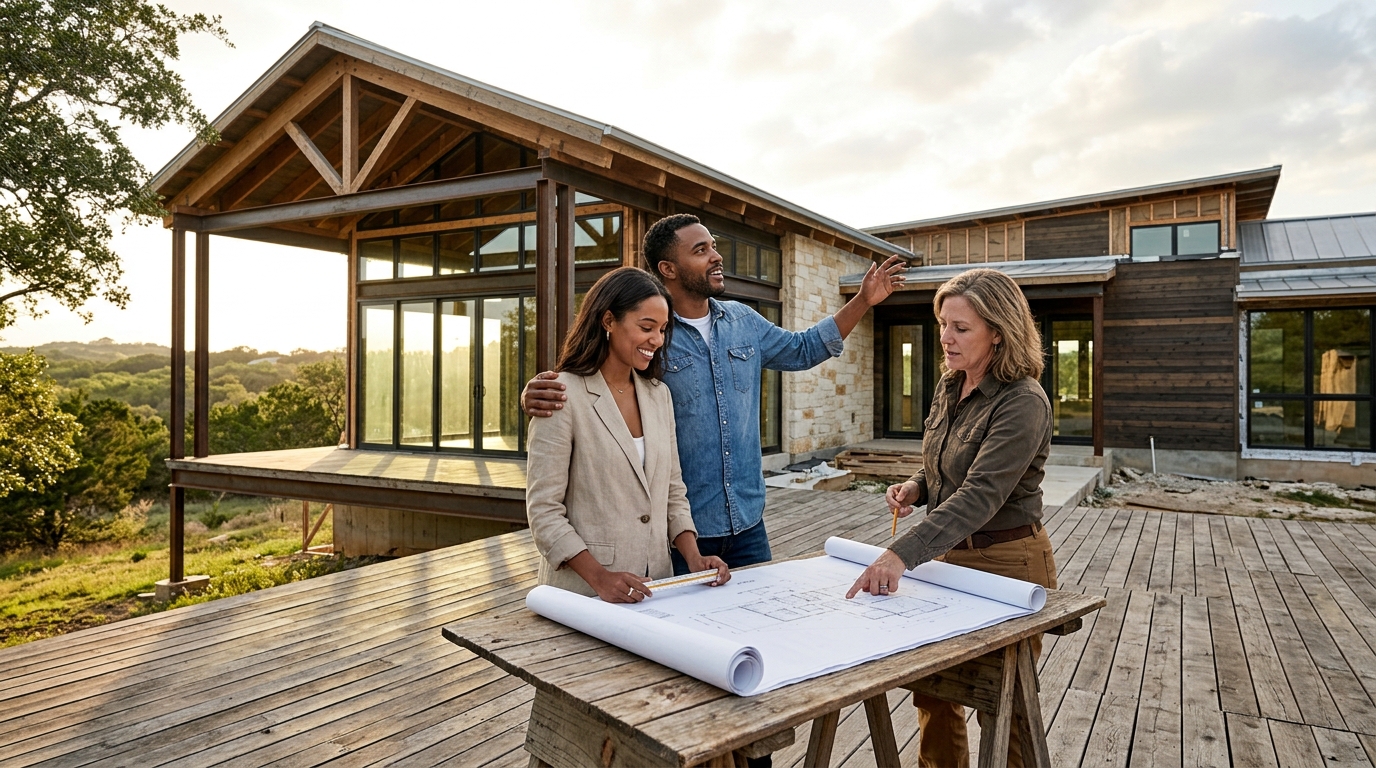
Who Can Design and Build a Custom Home From Start to Finish?
Building a custom home typically involves hiring an architect, then bidding out construction to a separate contractor, then hoping the two sides communicate well enough to deliver your vision on budget. But there is a simpler path. A design-build firm handles architecture and construction under one roof, giving you a single point of contact from the first sketch to the final walkthrough. For homeowners in Austin, Texas, and beyond, understanding how this integrated model works is the key to a smoother, more predictable building experience. Below, we break down exactly who can take your custom home from concept to completion and what to look for when choosing the right partner.
What Is a Design-Build Firm?
A design-build firm is a company that handles both the architectural design and physical construction of a project under a single contract. Instead of hiring an architect to complete drawings and then soliciting bids from separate general contractors, you work with one integrated team from day one.
This model stands in contrast to the traditional design-bid-build approach, where the owner manages separate contracts and often becomes the middleman settling disputes between designer and contractor. According to the Korte Company's design-build guide, design-build provides owners with a single point of contact for both the design and construction phases, with one entity holding contractual risk for every aspect of a build.
Traditional Delivery vs. Design-Build: Key Differences
Understanding the structural differences between delivery methods helps clarify why the design-build model is gaining traction for custom residential projects.
| Factor | Design-Bid-Build (Traditional) | Design-Build (Integrated) |
|---|---|---|
| Contracts | Separate contracts for architect and builder | Single contract with one firm |
| Communication | Owner mediates between parties | Direct, unified team communication |
| Cost Certainty | Budget often unknown until bids arrive | Real-time cost feedback during design |
| Schedule | Sequential phases; longer timelines | Overlapping phases; faster delivery |
| Accountability | Split between designer and contractor | Single-source responsibility |
| Change Orders | More common due to coordination gaps | Fewer, thanks to early collaboration |
Design-bid-build is the conventional method where the owner first hires a designer, then opens bids for contractors. The design-build alternative eliminates that gap, keeping your architect and builder aligned from the earliest conversations about your home.
Why Design-Build Is Growing Rapidly
Design-build is not a niche trend. According to the Design-Build Institute of America (DBIA), by 2028 nearly 50% of all U.S. construction spending will be design-build, totaling $2.6 trillion. The same data shows that design-build projects are delivered 102% faster than traditional design-bid-build and experience 3.8% less cost growth.
Texas is a major driver of this shift. FMI Consulting's 2024 utilization study found that Texas, California, and Florida account for nearly 30% of anticipated design-build spending nationwide. For homeowners in Austin and Central Texas, this means a deep and growing talent pool of firms equipped to deliver integrated services.
Cost Certainty and Speed
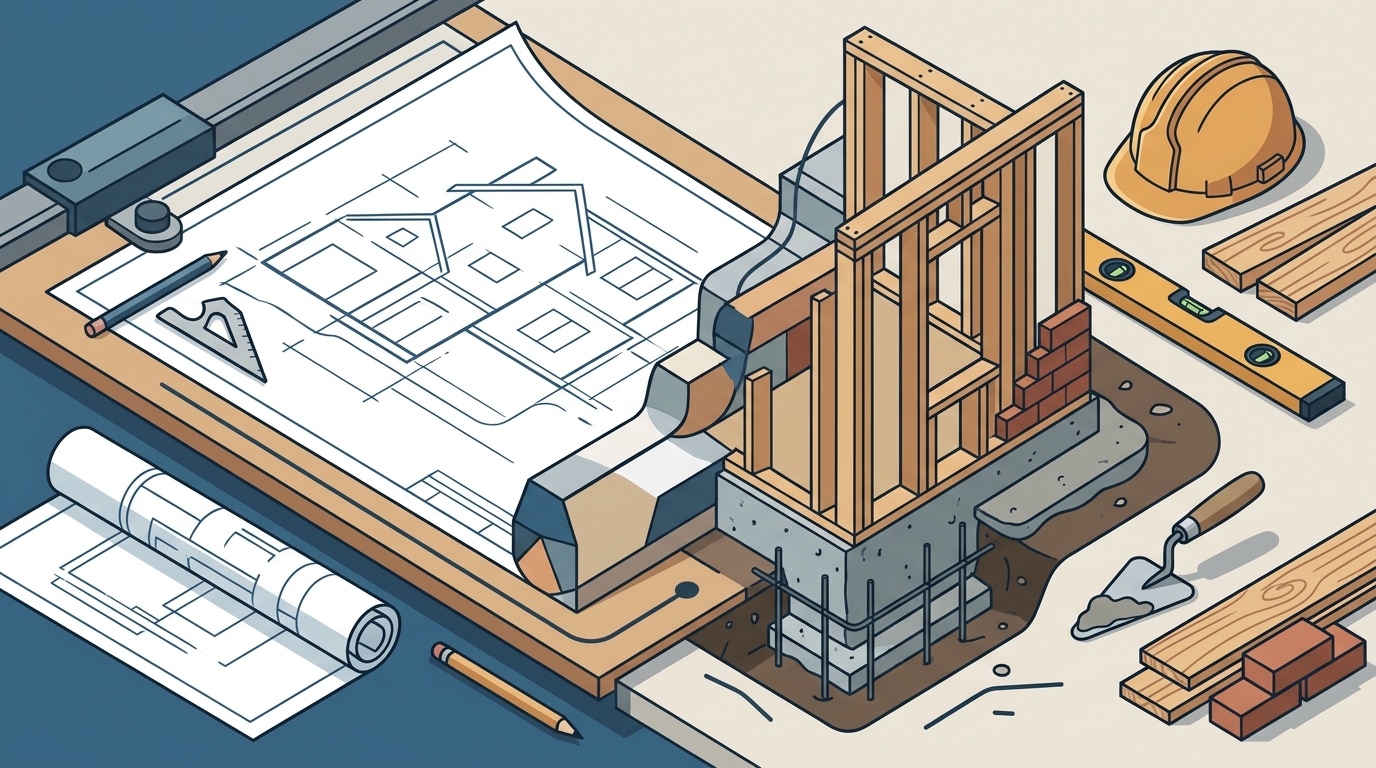
In traditional projects, architectural plans are often completed without a builder's input, leading to designs that cost more to construct than anticipated. The design-build process eliminates this disconnect by integrating construction expertise into the earliest design conversations, producing realistic budgets and predictable schedules.
The Custom Home Design-Build Process
A custom home design-build project generally unfolds in three overlapping phases. Understanding each phase helps you know what to expect and when.
Phase 1: Pre-Design and Discovery
Your design-build team learns about your lifestyle, goals, budget, and site conditions. This includes site analysis, zoning research, and early cost benchmarking. At Bercy Fadel, this stage also involves studying climate, topography, and regional materiality to ensure the home belongs to its place.
Phase 2: Design Development
Architects and builders collaborate simultaneously on schematic design, detailed drawings, and material selection. Because the construction team provides real-time cost feedback, the design stays aligned with your financial goals. You can explore the kind of site-responsive work this produces in the Bercy Fadel project portfolio.
Phase 3: Construction and Completion
Construction begins while final details are still being refined, thanks to the overlapping nature of the process. A single project manager coordinates trades, manages timelines, and keeps you informed. Post-construction, your team confirms that all systems are performing as designed.
What to Look for in a Design-Build Partner
Not every firm calling itself "design-build" operates with the same level of integration. Here are the qualities that matter most:
- In-house architecture and construction teams. Firms with both disciplines under one roof deliver more seamless collaboration than those that subcontract design or construction.
- Relevant portfolio depth. Look for completed custom homes, not just commercial or renovation work. Review projects like Edgeland House to see how design philosophy translates into built work.
- Transparent budgeting. Your partner should offer early cost estimates and continuous pricing updates throughout design.
- Regional expertise. A firm that understands local codes, climate, and material availability will avoid costly surprises.
- Awards and recognition. Industry honors signal peer-validated quality. Check a firm's awards page for evidence of design excellence.
Why Place-Based Design Matters in Central Texas
A vertically integrated firm is a practice that controls both the creative vision and the physical execution of a project. This structure is especially powerful in a region like Central Texas, where extreme heat, limestone geology, and a strong regional design culture demand architecture that responds directly to its environment.
Bercy Fadel is a vertically integrated architecture and construction firm based in Austin, Texas, working across single-family residential, multifamily, master planning, and commercial development. The practice is grounded in the belief that architecture is inseparable from place, shaped by climate, materiality, landscape, and regional culture. With over 50 years of combined experience led by principals Thomas Bercy and Bethany Fadel, AIA, the firm balances craft and performance across every project scale. You can learn more about the studio's design philosophy on the Bercy Fadel about page.
This place-based approach matters because a truly sustainable home uses locally sourced materials and is designed for its specific climate. When your architect and builder are one team, those material and environmental decisions are tested against construction realities from the very first conversation.
Key Takeaways
- A design-build firm is the most direct answer to "who can design and build a custom home from start to finish" because it unifies architecture and construction under one contract.
- Design-build projects are delivered 102% faster and experience 3.8% less cost growth than traditional methods, according to DBIA data.
- By 2028, nearly half of all U.S. construction spending will use the design-build delivery method.
- Texas ranks among the top three states for design-build spending, giving Austin homeowners access to a strong market of qualified firms.
- Look for in-house teams, transparent budgeting, a relevant residential portfolio, and deep regional expertise when selecting a partner.
- Place-based design, where architecture responds to local climate, geology, and culture, produces homes that perform better and age more gracefully.
Frequently Asked Questions
What does "design-build" mean for a custom home?
Design-build means one firm handles both the architectural design and the construction of your home. You sign a single contract and work with one integrated team rather than managing separate agreements with an architect and a general contractor.
How is design-build different from hiring an architect and then a builder?
In the traditional model, the owner hires an architect first, then solicits bids from contractors. This can create communication gaps and budget surprises. In design-build, the architect and builder collaborate from day one, providing real-time cost feedback and shared accountability.
Is design-build more expensive than traditional construction?
Design-build typically delivers greater cost certainty, not higher costs. DBIA research shows design-build projects experience 3.8% less cost growth than design-bid-build. Early builder involvement helps prevent expensive redesigns later.
How long does it take to design and build a custom home?
Timelines vary based on size and complexity, but design-build projects move faster because phases overlap. Site work can begin while detailed interior designs are still being finalized, compressing the overall schedule significantly.
What should I look for in a design-build firm in Austin, Texas?
Prioritize firms with in-house architecture and construction capabilities, a strong portfolio of completed custom homes, transparent budgeting practices, and demonstrated understanding of Central Texas climate and building conditions.
Can a design-build firm help with site selection?
Yes. Many design-build firms assist with site analysis, evaluating topography, orientation, zoning restrictions, and environmental factors before design begins. This early involvement helps ensure the site supports your vision and budget.
What is a vertically integrated architecture firm?
A vertically integrated architecture firm is a practice that controls multiple stages of a project internally, from design through construction management. This structure reduces handoff errors and keeps quality consistent across every phase.
Why does regional design expertise matter for custom homes?
Every region has unique climate conditions, building codes, and material availability. A firm with deep local knowledge designs homes that perform better in their specific environment, reducing long-term maintenance and energy costs.
Start Your Custom Home Journey
If you are considering a custom home in Austin or Central Texas, the first step is a conversation with a firm that can guide you from vision to move-in day. Contact Bercy Fadel to discuss your project goals, timeline, and site with a team that designs and builds under one roof.